From Texas Blockchain Council to Digital Infrastructure Network: Why the Infrastructure Conversation Matters for Krown

The latest Digital Infrastructure Network member call marked an important shift in how the blockchain and digital asset industry is being positioned inside a larger infrastructure conversation.
Formerly known as the Texas Blockchain Council, the organization has expanded and rebranded as Digital Infrastructure Network, or DIN. The change is not a move away from blockchain, Bitcoin or digital assets. It is a recognition that the sectors surrounding them are becoming increasingly connected.
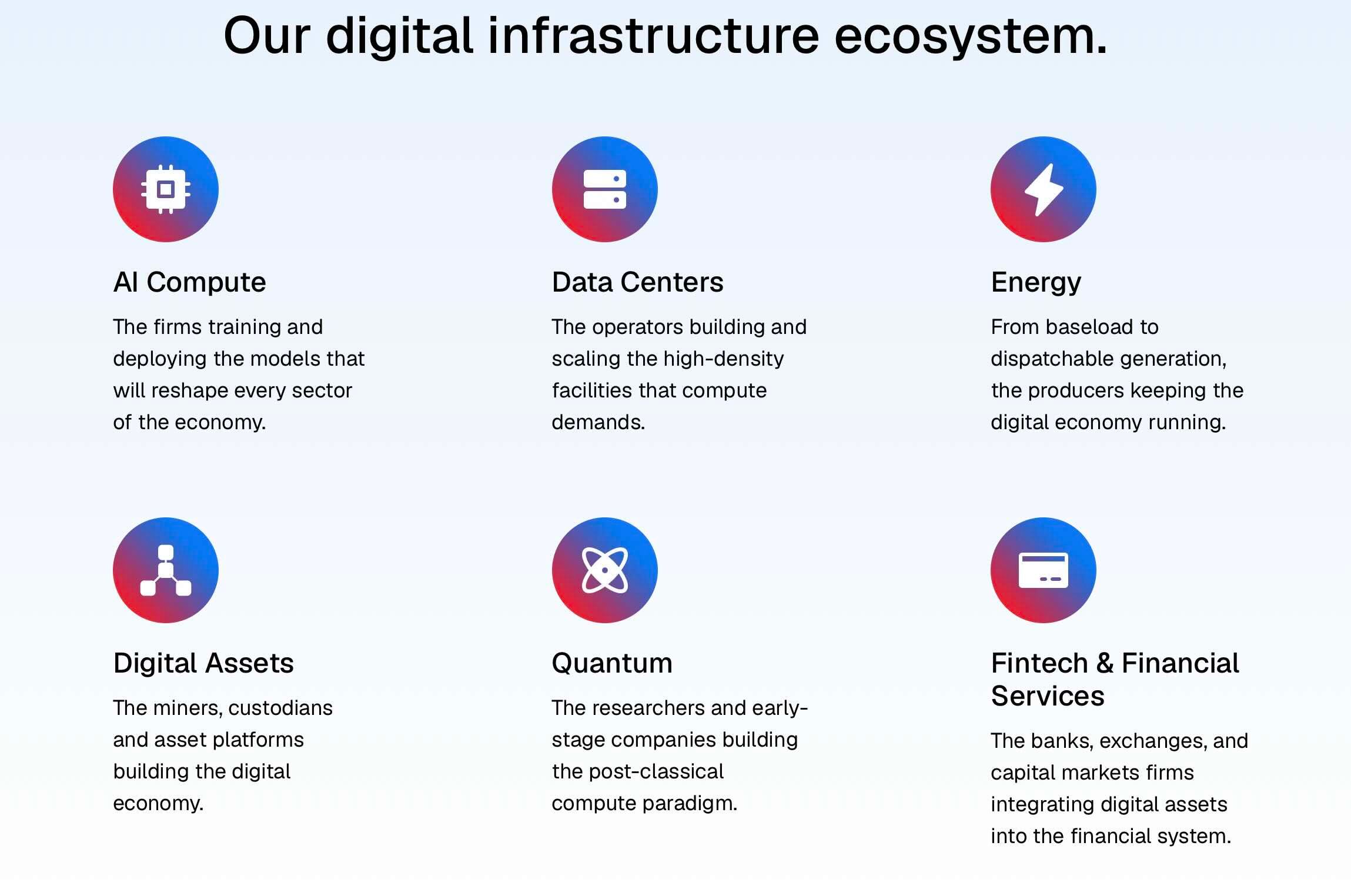
Energy.
Data centers.
AI.
High-performance computing.
Cybersecurity.
Digital assets.
Blockchain networks.
Critical digital infrastructure.
These are no longer separate conversations. In fact, we’ve been blazing a similar trail.
Krown is building in a market where digital ownership, blockchain infrastructure, post-quantum security, authentication, wallets, hardware, traceability and Web3 access are all becoming part of a larger infrastructure story.
The Infrastructure Conversation Is Getting Bigger
The move from Texas Blockchain Council to Digital Infrastructure Network reflects a broader market reality.
Blockchain and digital assets still remain central to the organization’s work, but the industries around them are expanding. Digital infrastructure now includes the systems that power, secure, connect and support the digital economy.
That includes energy infrastructure, data centers, AI, high-performance computing, cybersecurity, blockchain networks and other critical systems.
This wider framing is important because policymakers, regulators, infrastructure developers and technology companies are increasingly looking at these sectors together.
A data center is not just a technology issue.
A blockchain network is not just a crypto issue.
AI is not just a software issue.
Digital asset infrastructure is not just a financial issue.
All of them touch power, resilience, security, interconnection, compliance and long-term infrastructure planning.
That is the environment Krown is building for.
Blockchain Is Not Being Left Behind
One of the key points from the DIN discussion was that the expanded mission does not dilute the original blockchain and digital asset focus.
The opposite is the intention.
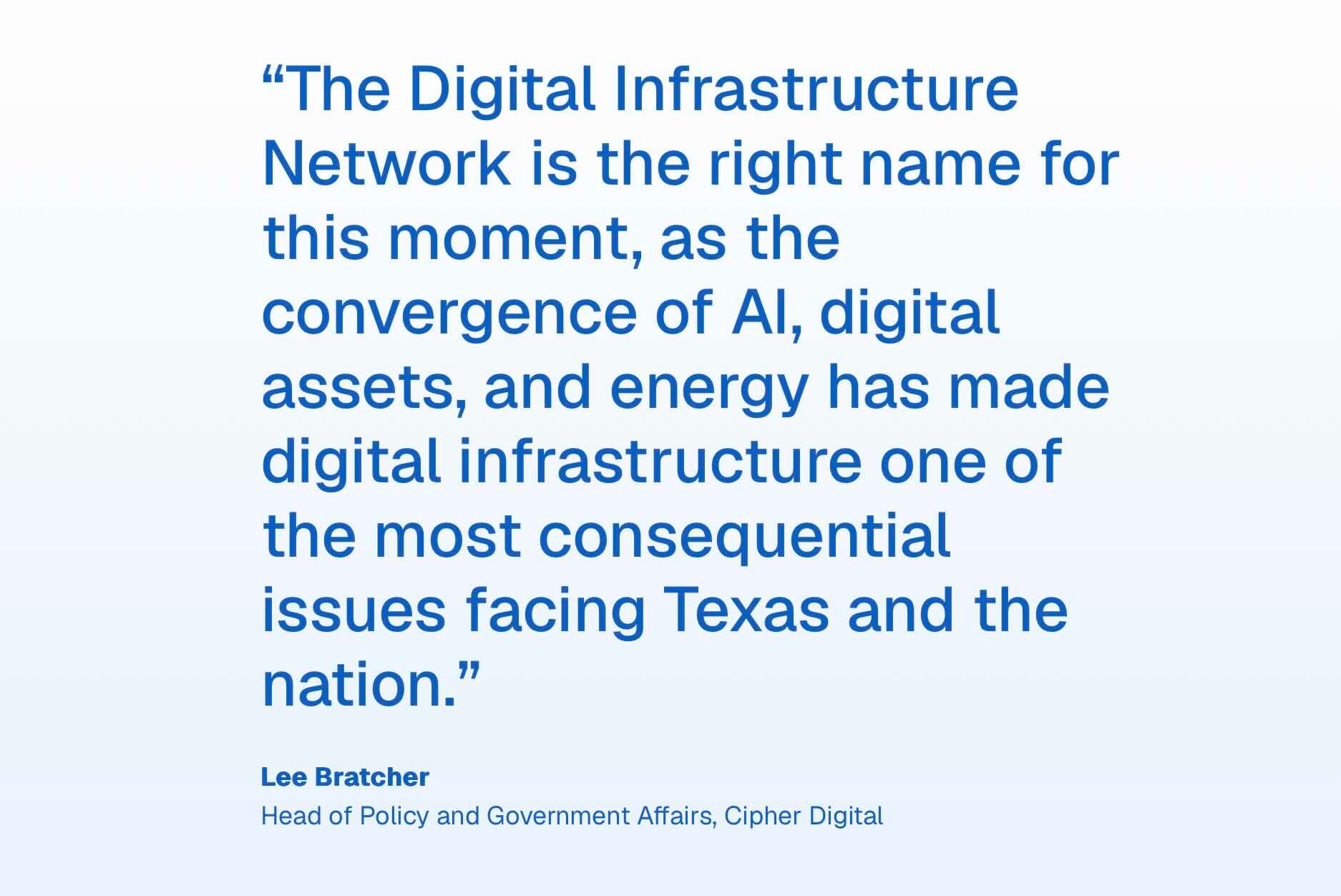
The broader platform gives blockchain and digital asset companies a larger table at which to participate. It creates more room for engagement with energy companies, data center operators, AI infrastructure firms, cybersecurity teams, policymakers, regulators and investors.
That is important because many of the policy challenges facing digital asset companies are now infrastructure challenges.
Power availability.
Grid reliability.
Transmission.
Interconnection.
Cybersecurity.
Regulatory certainty.
Operational resilience.
Compliance readiness.
DIN’s expanded platform gives those industries a clearer way to work together.
Why This Matters for Krown
As a strategic partner of DIN, Krown Technologies’ product roadmap already sits across several parts of the digital infrastructure conversation.
Krown Network provides blockchain infrastructure.
Qastle Wallet supports digital-asset access.
EXCALIBUR strengthens the self-custody and cold-wallet layer.
QwickAuth brings authentication into the security architecture.
QorTrace supports traceability and risk intelligence.
QorBOM focuses on cryptographic visibility and post-quantum readiness.
Krown Watch and KrownBook extend the product environment into connected hardware.
KrownDEX supports decentralized market access.
Together, these products show that Krown is not building for one narrow category. It is building across access, ownership, security, authentication, traceability, infrastructure and hardware.
That is why the DIN transition is relevant.

As digital assets become more connected to energy, compute, cybersecurity, data infrastructure and compliance, companies working in this space need to be able to speak beyond crypto alone.
Krown’s ecosystem is increasingly positioned inside that broader conversation.
Energy, Compute and Digital Assets Are Converging
A major theme from the DIN member call was the changing landscape around large loads, data centers, AI and high-performance computing facilities.
Texas is seeing substantial proposed growth in electricity demand. That is creating new attention around how large loads are interconnected, modeled and integrated into the ERCOT system.
For digital infrastructure operators, the details matter.
Not all large loads behave the same way. Some digital infrastructure operators may be able to curtail consumption in response to grid conditions, creating different reliability and flexibility considerations from traditional industrial demand.
That distinction is important as ERCOT and the Public Utility Commission of Texas continue developing interconnection, reliability, demand-management and technical requirements.
The wider point is simple: digital infrastructure should not be treated as one monolithic category.
Operational flexibility, reliability capability, infrastructure investment and responsiveness to grid conditions all matter.
For blockchain and digital asset companies, this is a serious policy and infrastructure issue. It affects how the sector is understood, regulated and integrated into the energy system.
Regulation, Reliability and Compliance Are Becoming Connected
The DIN call also covered developments across ERCOT, PUCT, NERC and FERC.
These are not abstract policy discussions. They can influence the requirements under which future digital infrastructure projects operate.
Large-load interconnection, transmission expansion, reliability standards, voltage ride-through requirements, ancillary services, cybersecurity and compliance readiness are increasingly part of the same operating environment.
That matters for any company building or operating infrastructure at scale.
It also matters for companies like Krown, where the ecosystem extends into blockchain networks, digital ownership tools, security products and infrastructure designed for long-term use.
As digital and physical infrastructure continue to converge, companies will need to demonstrate more than innovation. They will need to show resilience, security, operational preparedness and the ability to operate inside evolving regulatory and infrastructure frameworks.
A Larger Coalition for the Digital Economy
The DIN transition also creates an opportunity to bring new categories of companies into the same conversation.
Some businesses may not have seen themselves as fitting naturally inside a “blockchain council,” even if they shared many of the same infrastructure, regulatory, security and technology challenges.
The Digital Infrastructure Network gives those companies a broader platform.
That could include data center developers, AI infrastructure companies, cybersecurity firms, energy participants, hardware companies, high-performance computing operators and digital asset businesses.
For Krown, this is a useful signal.
The market is moving toward a more connected understanding of digital infrastructure. The companies building the next generation of systems will need to work across sectors, not inside isolated categories.
The Krown Takeaway
The latest DIN member call shows why Krown’s work increasingly belongs inside the broader digital infrastructure conversation.
Krown is not only building blockchain infrastructure.
It is building products for digital ownership, wallet access, authentication, self-custody, post-quantum security, traceability, Web3 access and connected hardware.
Those categories are becoming more relevant as digital assets, energy, AI, cybersecurity, compute and compliance continue to converge.
The shift from Texas Blockchain Council to Digital Infrastructure Network reflects that wider reality.
The future of digital assets will not be shaped by crypto alone. It will be shaped by the infrastructure that powers, secures, connects and governs the digital economy.
That is the conversation Krown is building into.

Sign up to the Krown Mailing List
Secure your insider access to demos, builds and betas. Join us.