Looking Back at Bitcoin 2026: Krown, Qastle Wallet and the Moment Quantum Security Took the Stage

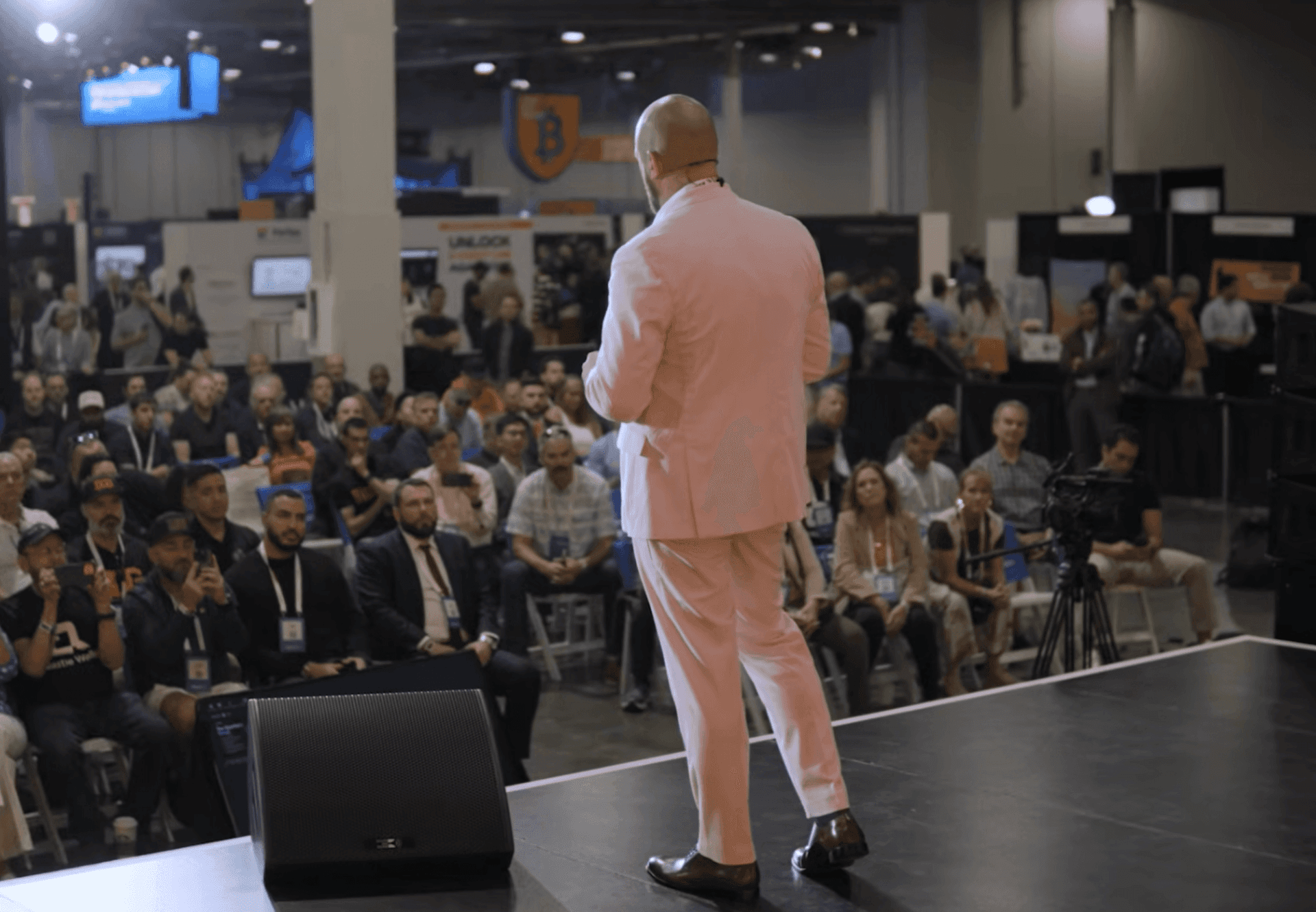
Bitcoin 2026 in Las Vegas was a defining moment for Krown Technologies.
It was bold, visible and full of energy, but the real story was not only the sponsorship, the booth, the interviews, the cameras or the Las Vegas activation.
Krown came to Bitcoin 2026 to bring one of the most important long-term security conversations in digital assets into the room properly: what happens when blockchain infrastructure, wallets and ownership records need to remain secure not only against today’s threats, but the ones that come next?
For Krown, that question sits at the heart of the mission.
Krown in Las Vegas
At Bitcoin 2026, Krown Technologies appeared as a Premier Sponsor, bringing Krown Network, Qastle Wallet, KrownDEX and the wider ecosystem to one of the most important stages in the global digital asset industry.
It was a major visibility moment.
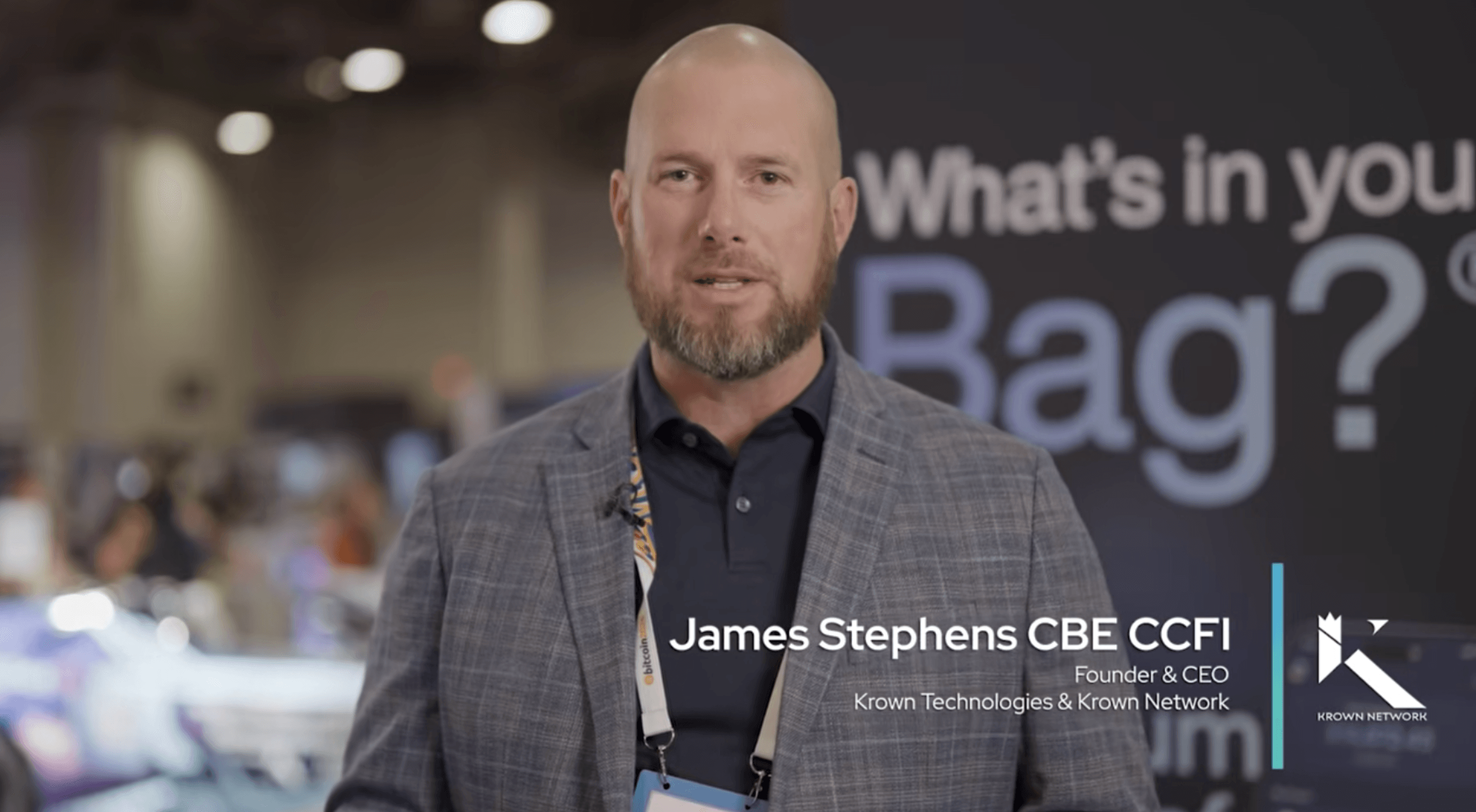
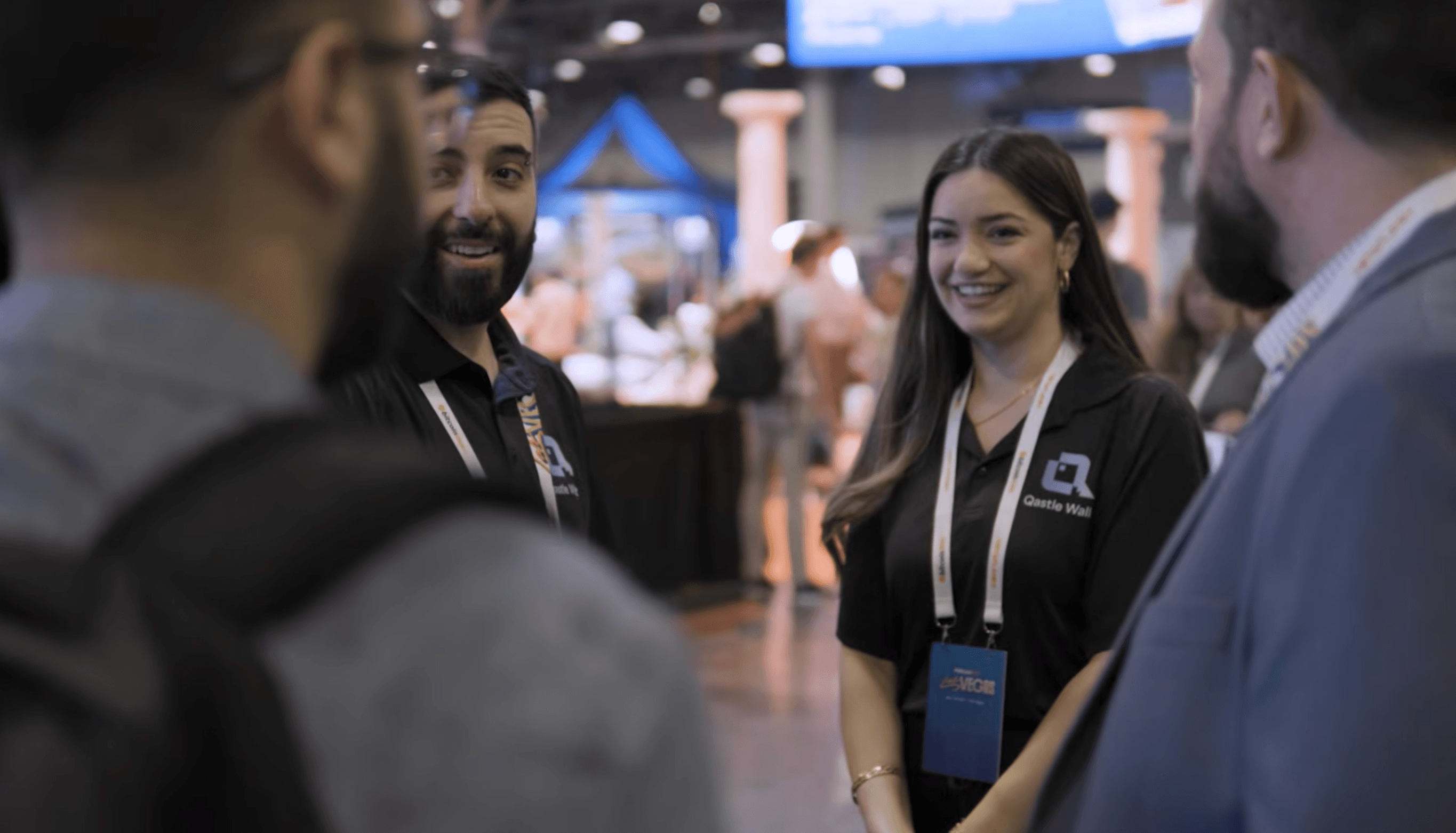
The Krown team spoke with builders, connected with media, introduced people to the ecosystem and helped move the conversation around quantum security from the edges of the industry into the mainstream digital asset discussion.
The Lamborghini Huracán Spyder activation became one of the event’s most talked-about visual moments. It created attention, opened conversations and made Krown hard to miss.
But the Lamborghini was never the point.
The Lamborghini got attention. The infrastructure is the story.
Behind the theatre was a serious message: Krown is building for a future where blockchain security has to evolve before the next generation of threats arrives.
James Stephens and the Wallet-Level Security Message
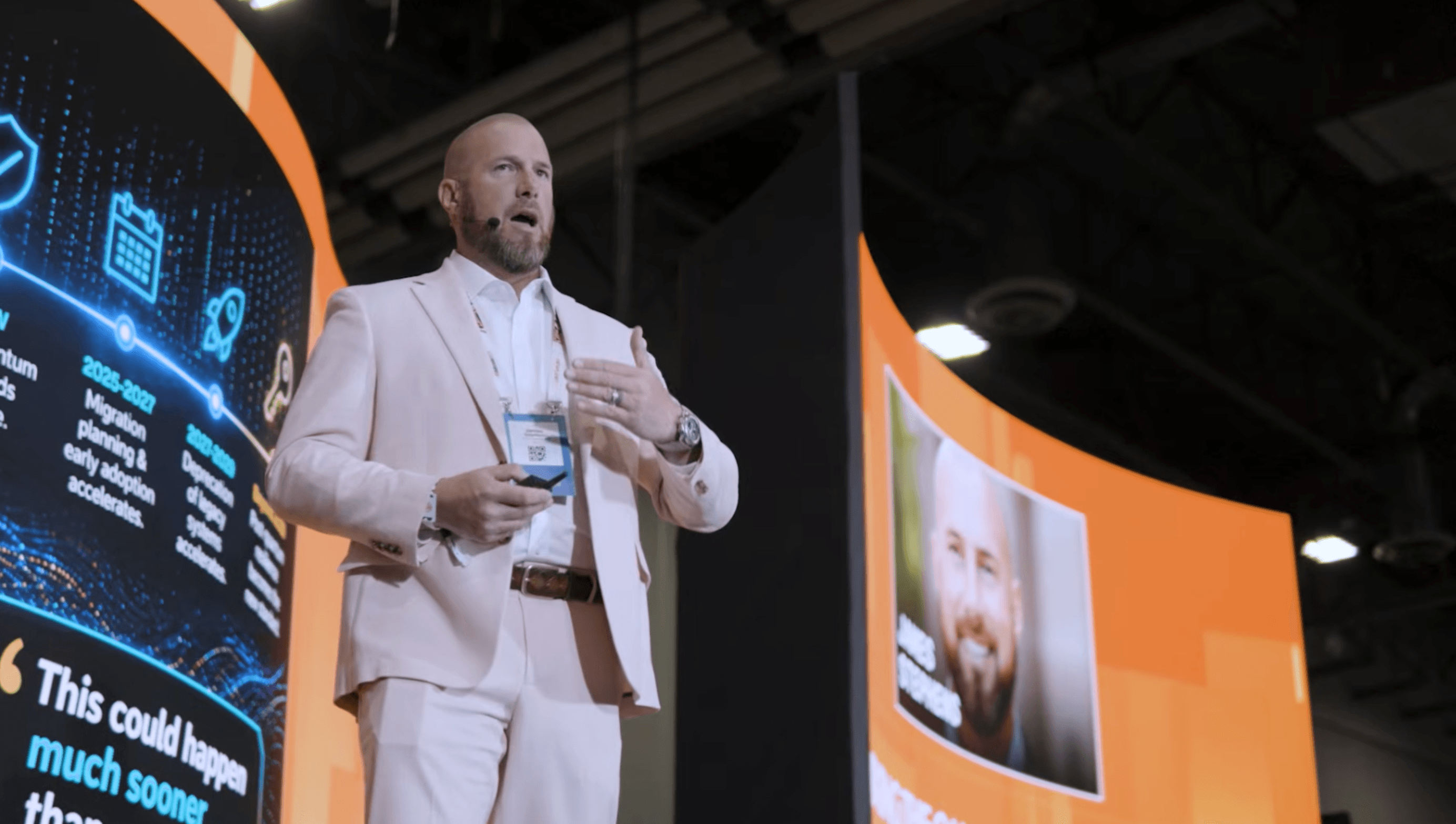
One of the defining moments of Bitcoin 2026 was the keynote from James Stephens CBE CCFI, Founder & CEO of Krown Technologies Inc.
His message focused on a critical idea: fixing the quantum issue at the wallet level.
At the start of the keynote, James asked the audience to raise their phones if those devices held a wallet, digital assets or access to financial accounts. The point was simple and powerful. The future of digital asset security is not only sitting in protocols, exchanges or institutions. It is also sitting in people’s pockets.
As James explained:
“Bitcoin itself at the protocol, we know that that is not the problem. The problem is the keys.”
That line captures the whole issue.
Bitcoin and blockchain infrastructure may be built on strong cryptographic foundations, but users interact with that infrastructure through wallets. Wallets are where keys are created, stored and used. They are where transactions are signed. They are where access, identity, value and risk meet.
That is why Krown has consistently focused on wallet-level security as a central part of the quantum security conversation.
A blockchain can be fast, powerful and technically advanced, but if users cannot safely protect keys, sign transactions or access assets, the rest of the infrastructure becomes harder to trust.
Why Q-Day Is Not Waiting for Permission
During the keynote, James also spoke about the shifting timeline around quantum risk.
For years, many people treated quantum threats as a distant issue, something to think about in 2040, 2045 or later. But that assumption has become less comfortable as standards bodies, technology companies and researchers move faster.
James made the point clearly:
“Q-Day is not going to come riding in on some type of horse... It’s going to be powerful. It’s going to be quiet. It’s going to be lethal.”
That is exactly why the conversation matters now.
The quantum threat does not need to arrive with a public countdown. It does not need to announce itself before the risk begins. Public keys, exposed cryptographic information and blockchain records can exist for years before future systems have the ability to attack them.
This is why the idea of “harvest now, decrypt later” has become so important.
The exposure can begin before the attack is technically possible.
For long-lived digital assets, that changes everything.
Wallets Are Ground Zero
James brought the issue back to the wallet layer again and again.
As he told the Bitcoin 2026 audience:
“Wallets are ground zero... because they are the entry point and the edge point.”
That framing matters because most users do not experience blockchain through infrastructure diagrams. They experience it through wallets.
A wallet is where users hold assets, connect to applications, approve transactions, manage identity, access markets and interact with Web3. It is also where weak entropy, flawed key generation, user-side vulnerabilities and signing risks can create serious exposure.
James put the broader point plainly:
“Sovereignty without security is just exposure.”
That may be one of the most important lines from the whole keynote.
Bitcoin has always carried a powerful message around sovereignty, ownership and financial freedom. But sovereignty only works if the tools protecting that ownership are strong enough for the environment they are entering.
That is why Qastle Wallet matters.
Why Qastle Wallet Was Built
Qastle Wallet was created to address the security gap at the access layer.
It is not being positioned as just another wallet. It is being built as part of Krown’s wider approach to quantum-secured infrastructure, combining post-quantum cryptographic principles with quantum-generated entropy through Krown’s strategic relationship with Quantum eMotion.
During the keynote, James explained that Krown did not build Qastle because quantum security had become trendy. It was built because the team saw where the threat landscape was going and wanted to close the gap before the industry was forced to react.
That proactive mindset is central to Krown.
The goal is not to wait until quantum-era risks become urgent and then attempt to retrofit stronger protection. The goal is to build security into the foundations of the wallet experience, where users interact directly with value.
Qastle Wallet represents that belief in practical form.
It brings the quantum-security conversation closer to the user, where access, key protection, signing, usability and trust have to work together.
Qastle Wallet and the BTC Inc. Agreement
Bitcoin 2026 was also an important moment for Qastle Wallet because Qastle has been named the Official Quantum Wallet of The Bitcoin Conferences under an exclusive six-year agreement with BTC Inc.
For Krown, this was a major signal.
It placed Qastle Wallet inside one of the most visible event ecosystems in digital assets and reinforced the idea that wallet-level quantum security is becoming a serious industry conversation.
The agreement gave Krown and Qastle a platform to speak directly to a global digital asset audience about why wallet protection, self-custody and quantum readiness belong in the same conversation.
That matters because Bitcoin audiences understand time.
They understand long-term holding. They understand keys. They understand ownership. They understand the difference between convenience and custody.
That made Bitcoin 2026 the right place for Krown to take this message.
The Conversations Around the Event
Bitcoin 2026 was not only about the stage moments.
It was also about the conversations happening around them.

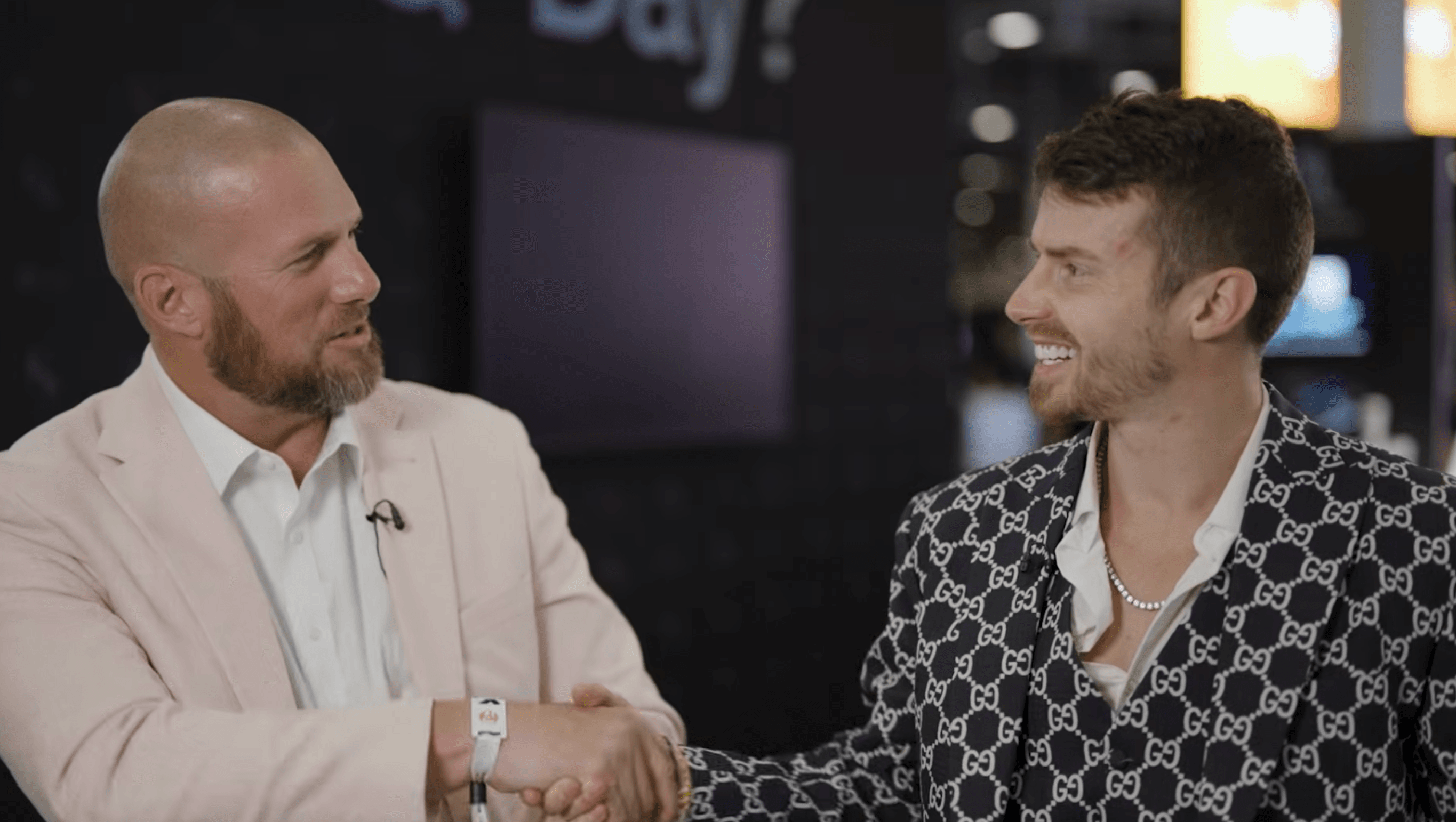
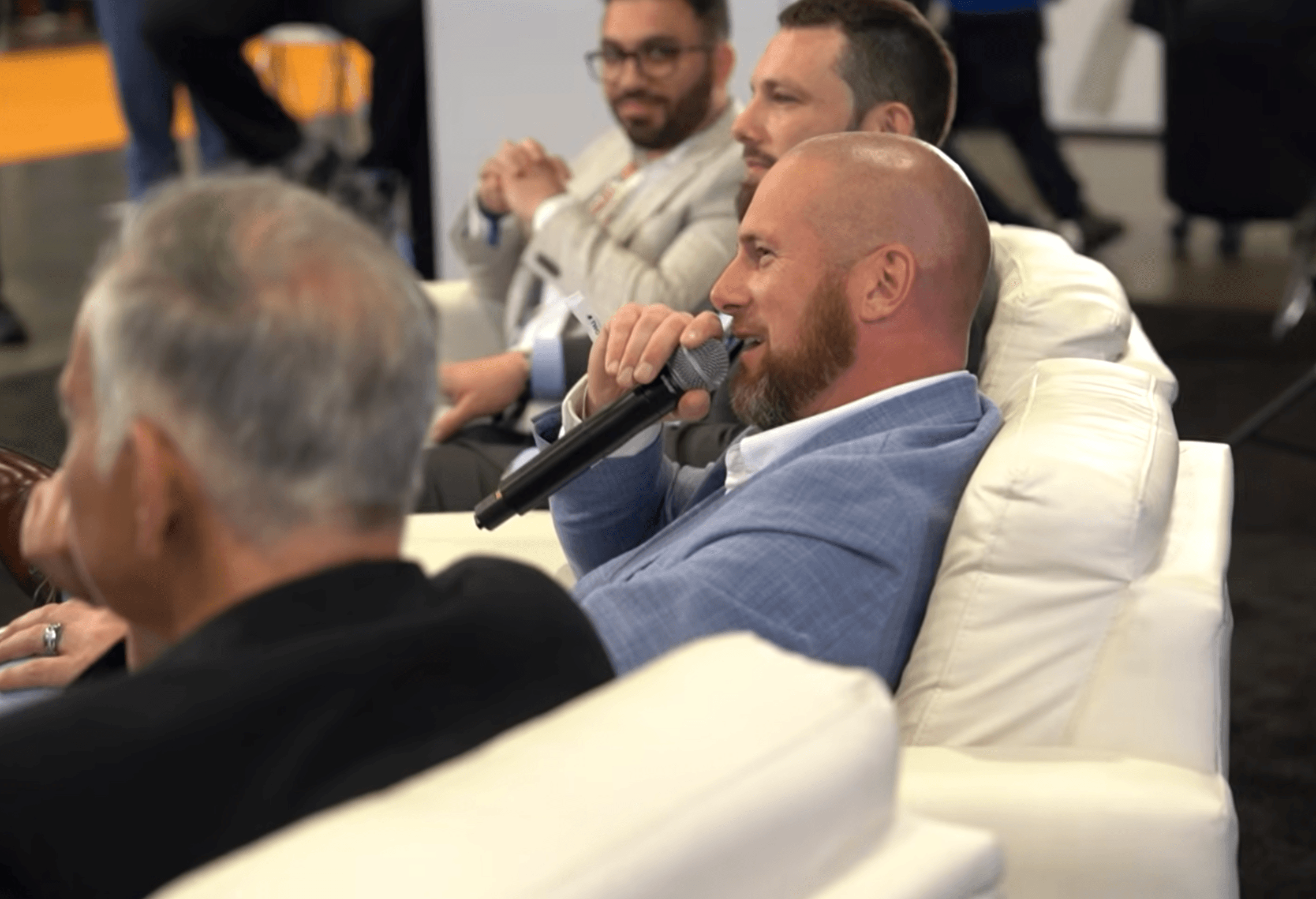
Across the event, the Krown team spoke with media, creators, builders and industry voices including Ashton Addison of Crypto Coin Show, The Bitcoin Barbie, Samuel Tseitkin, Zack Czerkas, Protocol Pulse, Rebel Crypto, Genzio Media and Between Plays.
Those conversations helped bring the Krown message to a wider audience.
Quantum security is not a future footnote for digital assets. It is a present-day infrastructure question, especially at the wallet layer.
From interviews and booth conversations to event content and wrap-up videos, Bitcoin 2026 became a major content moment for Krown Network, Qastle Wallet and the wider ecosystem.
For anyone catching up, interviews and wrap-up videos from the event can be found on the Krown Network YouTube channel:
https://www.youtube.com/@Krown.Network
From Stage Presence to Ecosystem Momentum
Bitcoin 2026 helped show that Krown is not building one isolated product.
Krown Network is the Layer 1 foundation. Qastle Wallet is the secure access layer. KrownDEX supports decentralized market activity. BLOQ Social is being developed as The Social Layer of Web3. QorTrace and QorBOM point toward traceability, auditability and assurance.
Together, these pieces reflect a wider ambition: to build quantum-secured infrastructure for digital assets, decentralized applications, real-world asset tokenization and long-term ownership records.
That matters because the next phase of blockchain will not be defined by speculation alone.
It will be defined by utility, trusted records, secure access, transparent asset histories, wallet-level protection and applications that solve real problems for users, builders, institutions and asset owners.
Bitcoin 2026 gave Krown a platform to explain that bigger picture.
Building Before the Threat Arrives
Toward the end of his keynote, James gave a line that summed up the mindset behind Krown:
“We’re not here just to participate in the future, we’re here to build it.”
That is the point.
Krown is not waiting for the future security problem to become obvious before acting. It is building for the future now.
The decisions being made today around wallets, keys, cryptography, entropy, user access and blockchain infrastructure will help define what security looks like for the next generation of digital assets.
That is why Bitcoin 2026 mattered.
It was not just a sponsorship moment. It was not just an activation. It was not just a keynote.
It was a moment where Krown brought the quantum-security conversation to one of the most important audiences in digital assets and made the case that the future of blockchain security will be decided at the wallet level as much as the protocol level.
Looking Back, and Building Forward
Looking back at Bitcoin 2026, it is clear why the event mattered.
It gave Krown a major platform. It brought quantum security into the digital asset conversation at scale. It helped position Qastle Wallet as a serious part of the wallet security discussion. It gave the team space to meet Krownies, builders, creators, partners and media. It created interviews, wrap-up videos, visibility and momentum that continue to support the wider Krown story.

But most importantly, it helped turn attention into understanding.
The activation may have caught the eye.
The message is what lasts.
Krown is building quantum-secured infrastructure for the next generation of Web3, and Bitcoin 2026 was one of the moments where that story moved firmly into the spotlight.
What’s in your Bag?™
Watch the Bitcoin 2026 Interviews and Wrap-Up Videos
Catch up on the Krown Network YouTube channel:
https://www.youtube.com/@Krown.Network
Related Links
Krown Network:
Qastle Wallet:
Krown Network YouTube:

Sign up to the Krown Mailing List
Secure your insider access to demos, builds and betas. Join us.