Q-Day, Web3 Security and What to Watch at Blockchain Futurist Toronto 2026

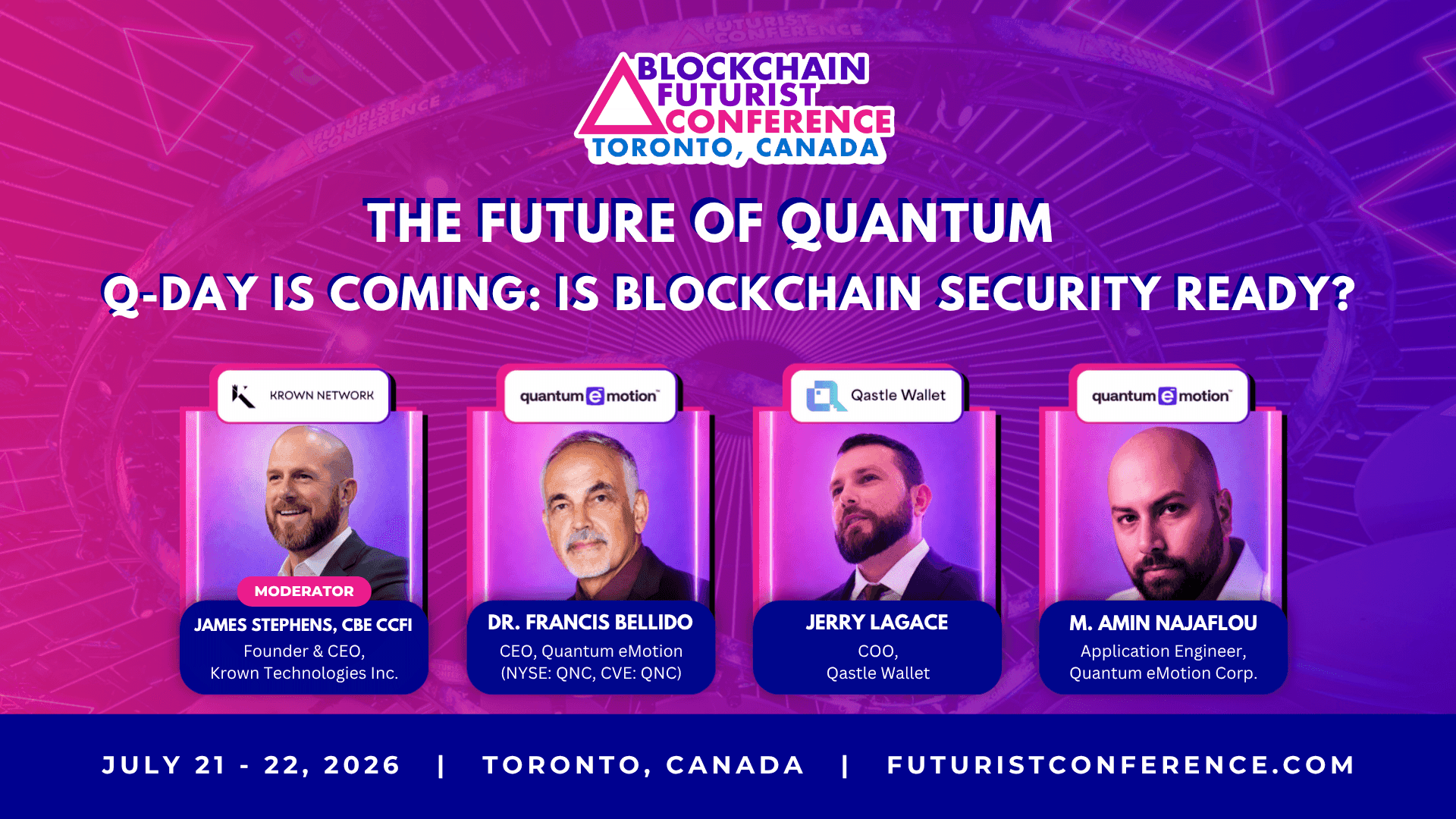
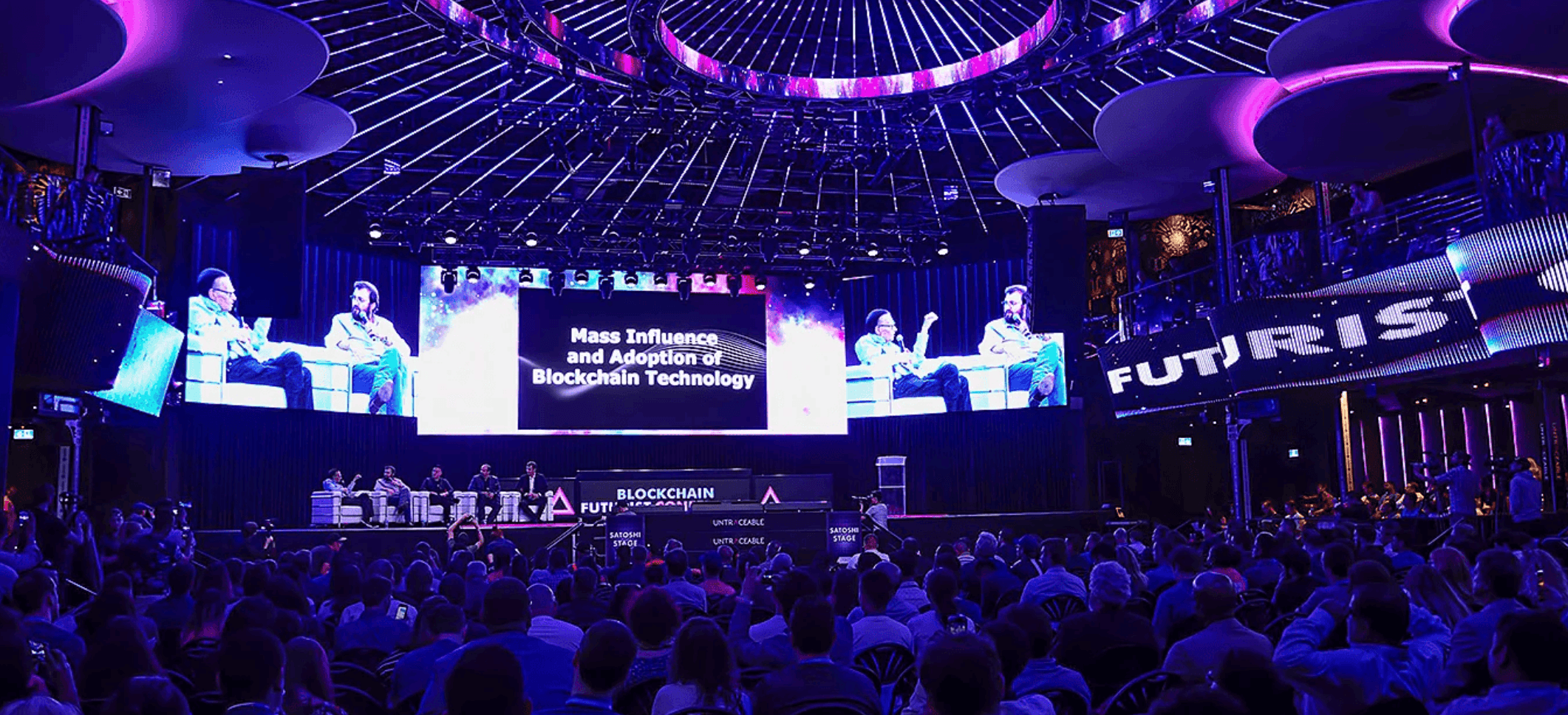
Blockchain Futurist Conference Toronto 2026 is set to bring one of North America’s biggest Web3 and AI event environments back to Rebel Entertainment Complex & Cabana this week.
Taking place from Tuesday, July 21st to Wednesday, July 22nd, Futurist will bring together more than 200 speakers, 3 stages, workshops, networking, live media, interactive experiences, community meetups, AI sessions, developer programming, institutional conversations, and project-led activations across two packed days in Toronto.
For Krown Technologies, the event comes at an important moment for the wider blockchain industry.
Web3 is moving into a more serious phase. Digital assets are no longer just a conversation about early adoption, speculation, or experimental infrastructure. Wallets, protocols, exchanges, DeFi platforms, identity layers, tokenised systems, and blockchain networks are becoming part of the next stage of financial, commercial, and digital infrastructure.
That makes security more important, not less.
As adoption grows, the questions facing the industry become sharper. How do we protect users? How do we secure wallets and private keys? How do blockchain systems prepare for long-term cryptographic risk? And how seriously should the industry be taking quantum readiness today?
Those questions sit at the centre of one of Futurist’s Main Stage sessions:
“Q-Day Is Coming: Is Blockchain Security Ready?”
Why Q-Day Belongs in the Web3 Conversation
Q-Day refers to the point at which quantum computing becomes powerful enough to threaten parts of today’s cryptographic systems.
For blockchain, this is not a side issue.
The industry is built on cryptography. Wallets, private keys, transaction signing, custody, smart contracts, bridges, exchanges, identity systems, and network security all depend on cryptographic assumptions holding firm.
The concern is not that everything changes overnight. The concern is that systems being built today may need to remain secure in a world where the threat landscape looks very different tomorrow.
That is why the Q-Day conversation matters now.
It is not about panic. It is about preparation.
It is about asking whether the infrastructure being built today is ready for the security demands of the future.
A Panel Built Around Security, Readiness and Trust
The Main Stage panel brings together voices across quantum technology, blockchain infrastructure, wallet security, engineering, and Web3 strategy.
That mix matters.
Quantum readiness is not just a technical issue for researchers. It affects founders, wallet providers, blockchain networks, security teams, application developers, exchanges, protocols, institutions, and users. It sits at the intersection of technology, infrastructure, trust, and adoption.
The discussion will explore what quantum security means in practical terms for blockchain, digital assets, wallets, self-custody, post-quantum readiness, and the systems that will support the next phase of Web3.
Meet the Panel
Dr. Francis Bellido, CEO, Quantum eMotion
Dr. Francis Bellido brings the quantum cybersecurity perspective to the discussion as CEO of Quantum eMotion.
Quantum eMotion’s work focuses on quantum-based security technologies, including the foundations that sit beneath secure digital systems. In the context of Q-Day, this perspective is especially important. The future of cybersecurity is not only about stronger algorithms. It is also about the quality of randomness, entropy, secure generation, and the technical foundations that support cryptographic protection.
Dr. Bellido’s role on the panel helps connect the quantum side of the conversation with the practical needs of blockchain and digital asset infrastructure.
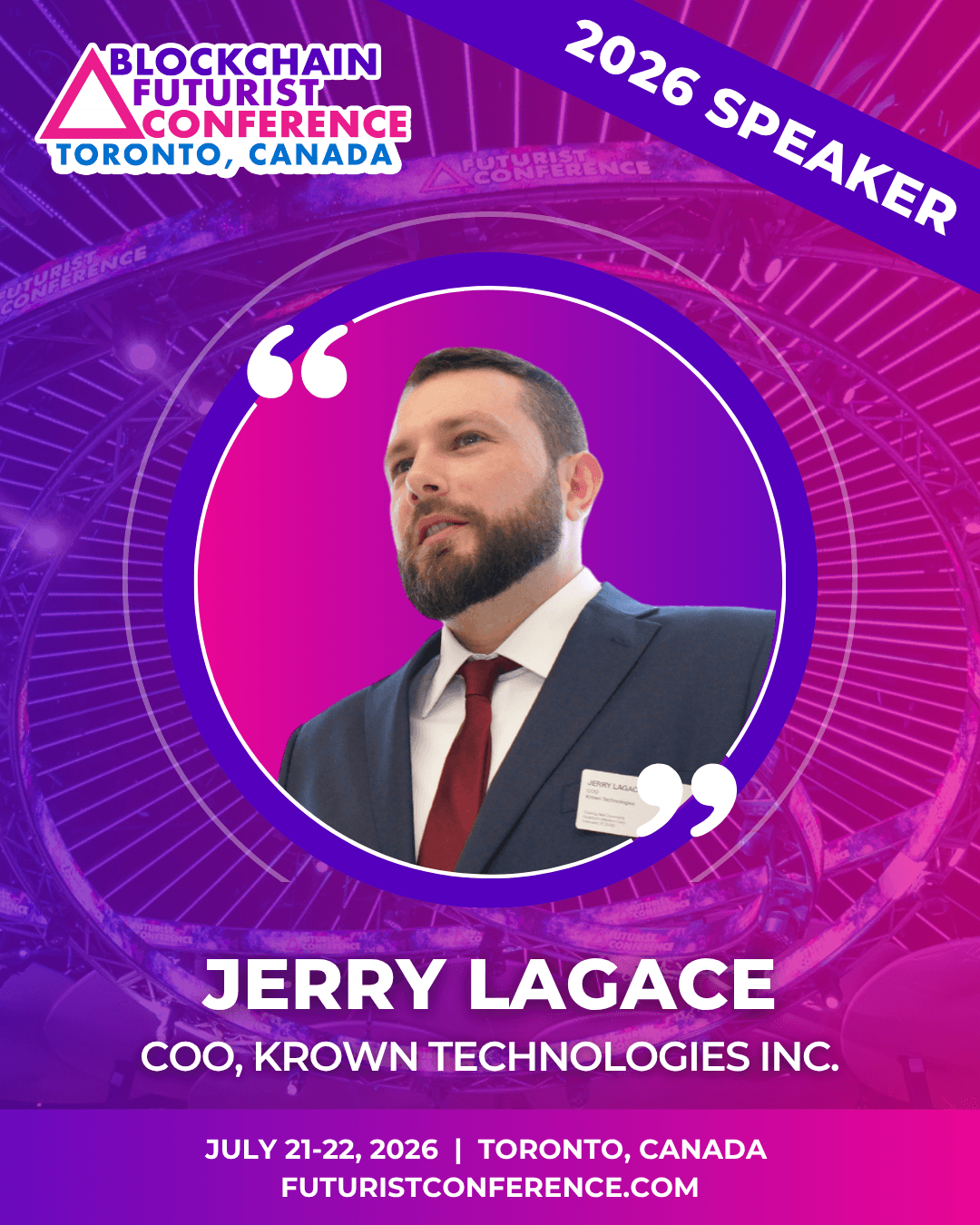
Jerry Lagace, COO, Qastle Wallet
Jerry Lagace joins the panel from Qastle Wallet, bringing the wallet and user-security perspective.
For most people, Web3 security begins with the wallet. It is where users access assets, manage keys, connect to applications, prove identity, and make decisions about trust.
That makes wallet security one of the most important parts of the quantum-readiness conversation. If blockchain infrastructure is going to evolve, the user access layer has to evolve with it.
Jerry’s perspective helps bring the discussion back to the real-world experience of users, self-custody, digital asset protection, and the security expectations wallets will need to meet as the industry matures.
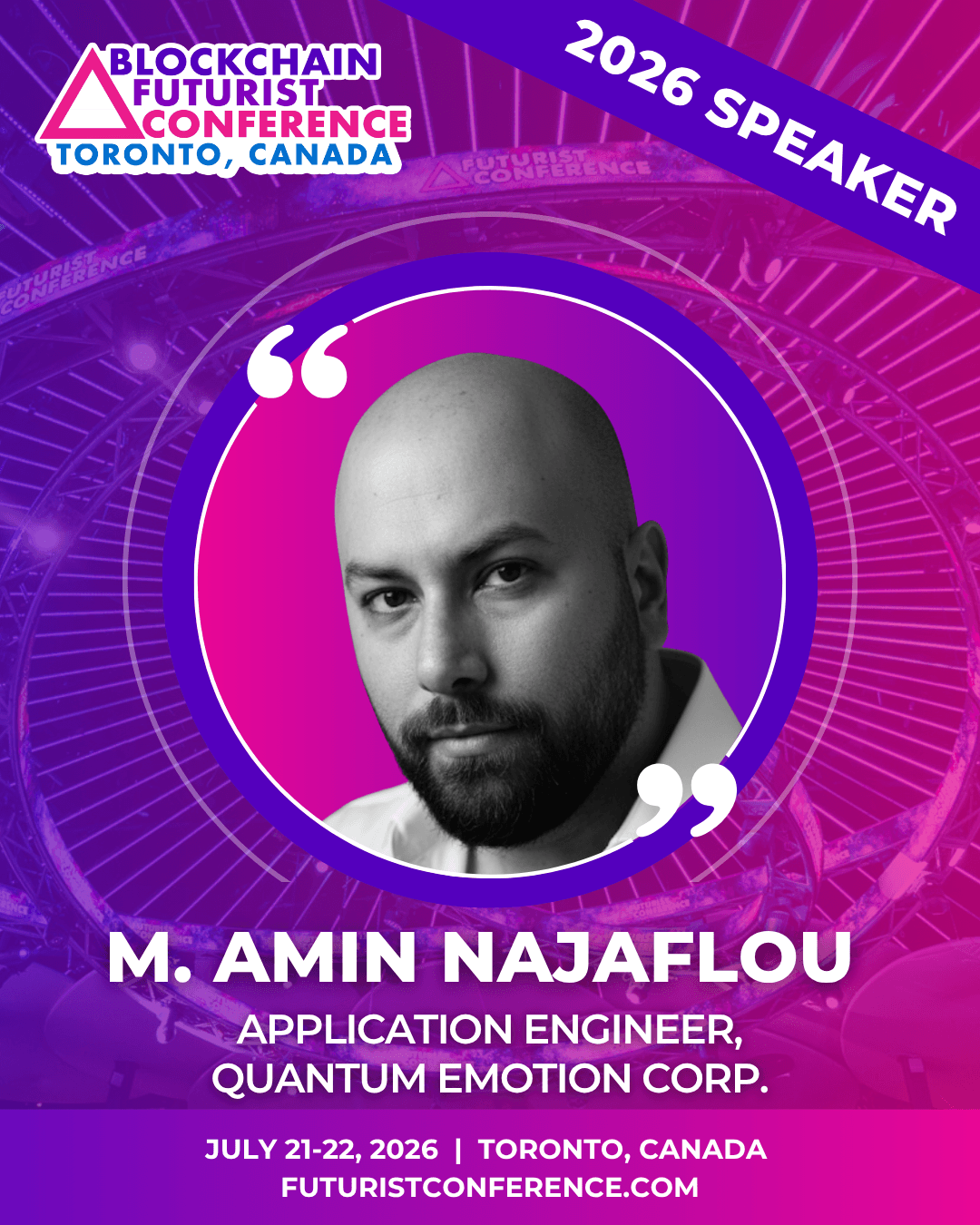
M. Amin Najaflou, Application Engineer, Quantum eMotion Corp.
M. Amin Najaflou brings an engineering lens to the panel.
Quantum readiness cannot stay at the level of theory. It has to be implemented, tested, integrated, and maintained inside real systems. That means application design, infrastructure choices, security architecture, and practical engineering all matter.
Amin’s perspective adds technical depth to the discussion, helping connect the big-picture Q-Day theme with the implementation work required behind secure digital systems.
Dina Mainville, Founder, Orqa
Dina Mainville, Founder of Orqa, brings a founder and Web3 ecosystem perspective to the conversation.
Security is not only about code. It is also about confidence. It affects how users assess platforms, how communities identify trusted voices, how projects communicate credibility, and how the industry builds long-term adoption.
Dina’s perspective helps widen the Q-Day discussion beyond the technical layer, connecting quantum readiness with the human, strategic, and ecosystem side of Web3 trust.
James Stephens CBE CCFI, Founder & CEO, Krown Technologies Inc.
James Stephens, Founder & CEO of Krown Technologies Inc., is set to moderate the discussion, bringing Krown’s wider focus on quantum-secure blockchain infrastructure into the session.
Krown Technologies’ work across Krown Network, Qastle Wallet, KrownDEX, and the wider ecosystem gives the company a clear interest in how blockchain, wallets, and digital asset systems prepare for the next phase of security.
What Else Is Happening at Futurist
While the Q-Day panel will be a key security-focused moment, Blockchain Futurist Conference Toronto 2026 is much broader than one stage session.
Across the two days, attendees can expect programming across Web3, AI, regulation, DeFi, developer education, media, community, and interactive activations.
The event will include more than 100 sessions, with educational tracks and programming such as ETHToronto Developer Sessions by Autheo, ETHWomen panels and talks, a Web3 & AI Bootcamp, and a Crypto Trivia Challenge with C4.
AI will also be a major part of the agenda, with Agentic AI Day by HelloAgentic, an Agentic Commerce Workshop by Agnic.ai, House of ZK, and more than 20 AI-focused sessions taking place across the event.
There will also be a strong institutional and networking layer, including the Regulation & Compliance Breakfast, the SheFi Institutional Breakfast, facilitated networking with AWIC, the Founder & Funder Lounge by InclusifAI, and the Invest Hong Kong Workshop.
For attendees looking beyond the stages, Futurist will also feature a wide range of activations and community moments, including the Rum Bar by Cayman Finance, Pepe’s Muskoka Lounge, the Solana Lounge, gamification and prizes, live robots, VR and wearable technology, blockchain voting, an NFT Gallery, crypto food trucks, and water taxis by Tetra Digital and CADD.
Community meetups will also play a role throughout Canada Crypto Week, with groups including Pudgy Penguins, MonkeyDAO, and Bored Ape communities represented.
Live media will be another major part of the experience, with a podcast stage by Chris Champion, VIP backstage interviews with Roundtable, 8+ media stations, and more than 100 media attendees expected onsite.
In other words, Futurist is not only a conference. It is a meeting point for the people, projects, communities, and ideas shaping the next phase of Web3.
Why This Moment Matters
The timing of this conversation matters.
Blockchain security has always depended on cryptography, but the industry is now entering a more mature phase. It is no longer enough to ask whether a system works today. The stronger question is whether it can continue to protect users, assets, and infrastructure as the threat landscape changes.
Quantum computing is not the only security challenge facing Web3, but it is one of the most important long-term questions the industry needs to take seriously.
That is why Q-Day belongs in the wider blockchain conversation.
It connects directly to wallet security, self-custody, infrastructure resilience, institutional confidence, digital asset protection, and the future of blockchain networks.
For Krown Technologies, this is exactly the kind of discussion the industry needs more of: practical, forward-looking, and focused on the foundations that matter.
Join the Conversation in Toronto
Krown Technologies is looking forward to meeting the Web3 community in person at Blockchain Futurist Conference Toronto 2026.
If you are attending, join the Main Stage session:
“Q-Day Is Coming: Is Blockchain Security Ready?”
Tuesday, July 21st
Approx. 10:50 AM
Main Stage
Rebel Entertainment Complex & Cabana, Toronto
Use code JAMES25 for 25% off tickets:
We’ll see you in Toronto.
Sign up to the Krown Mailing List
Secure your insider access to demos, builds and betas. Join us.