Sam Kamani and James Stephens on Quantum Security, Qastle Wallet, and the Future of Decentralised Assets

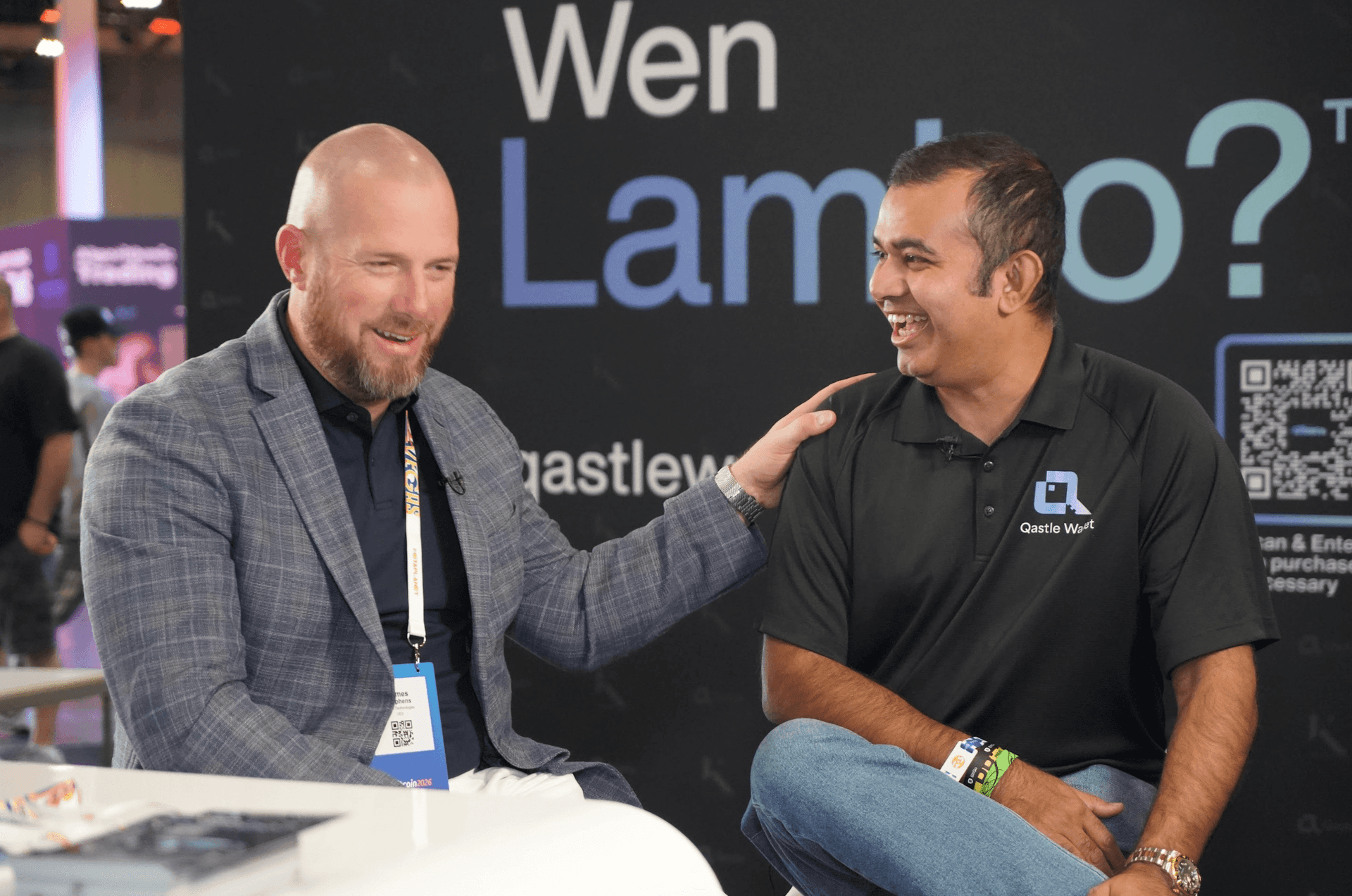
At the Qastle Wallet booth, Sam Kamani, Venture Partner at 3X Capital sat down with James Stephens, Founder & CEO of Krown Technologies Inc., for a detailed conversation on quantum security, decentralised assets, wallet protection, founder lessons, and the direction of the wider Krown ecosystem.
The discussion moved from James’ personal entry into the sector to the practical challenge now facing digital asset infrastructure: how does the industry prepare for a future where quantum computing, AI, and increasingly sophisticated threat vectors continue to reshape what security needs to look like?
For James, the answer begins with experience. Krown Technologies was not built from a detached theory about future risk. It was shaped by what he had already seen and lived through in the sector.
From Personal Loss to a Security-First Mission
James explained that he has been in the blockchain and digital asset sector for around a decade, beginning with Java and backend development before moving deeper into the industry. His founder story, however, is rooted in a difficult personal experience.
After being scammed and hacked while working in the space, he began looking more closely at the weaknesses that users and projects were facing.
“It really started from a bad situation turned into good.”
That line captures an important part of the Krown story. James did not describe security as a surface-level feature or a marketing category. He described it as the problem that pushed him to build.
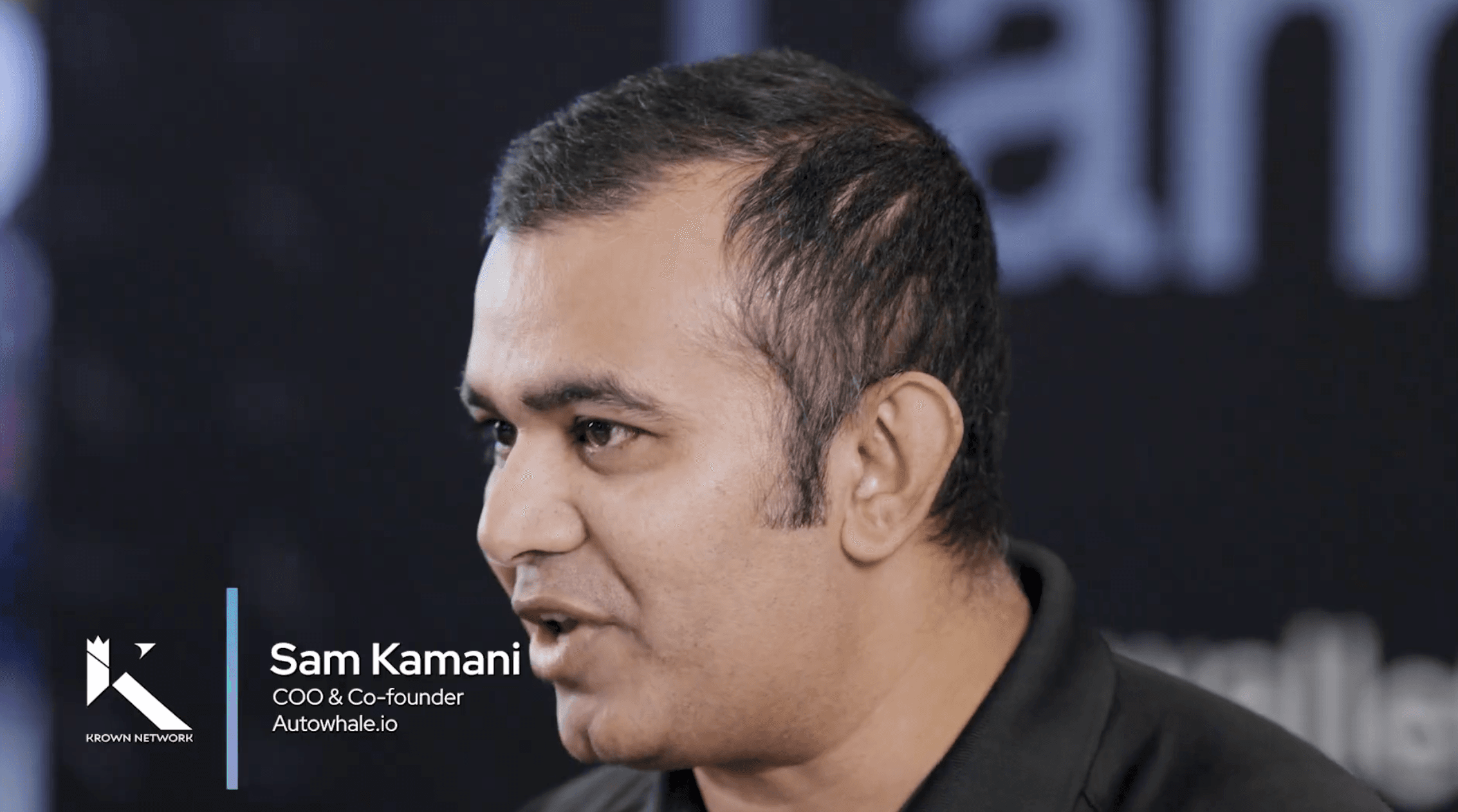
He said the experience forced him to look at the threat vectors, the vulnerabilities, and the problems that needed to be solved. From there, his attention moved toward what was coming next.
Several years ago, quantum risk still felt distant to many people in digital assets. James said that when he talked about it back then, people often treated it as something interesting but not urgent. That has changed. Quantum security is now moving into more serious conversations across wallets, chains, institutions, developers, and founders.
Why “Quantum Resistant” Needs More Scrutiny
Sam raised one of the most important questions in the conversation: if many companies now claim to be quantum resistant, how can anyone know who is serious before Q-Day has arrived?
James’ answer focused on the difference between software-only claims and a more complete security architecture.
He argued that post-quantum cryptography matters, but that Krown’s approach also includes hardware-backed quantum entropy through its partnership with Quantum eMotion. He pointed specifically to QRNG2, Quantum eMotion’s quantum random number generation technology, and how Krown uses it at the key level.
“The threat is not for Bitcoin or others at the protocol level. It’s really at the vulnerability at the wallet level, at the key level.”
That distinction is central to the conversation. The issue is not only whether a blockchain protocol can withstand future pressure. For users, the practical risk often begins much closer to the wallet: keys, signing, storage, access, and the environment where assets are managed.
James described Qastle Wallet as being designed around that reality, combining QRNG-backed entropy with multiple post-quantum cryptography components placed strategically across the wallet and chain environment. The safer way to frame this is that Krown is building Qastle Wallet around quantum-aware security principles, rather than simply applying quantum language to an existing wallet model.
Q-Day, Timelines, and the Risk of Waiting Too Long
The conversation naturally moved into Q-Day, the point at which quantum computers may become practically capable of challenging widely used encryption systems.
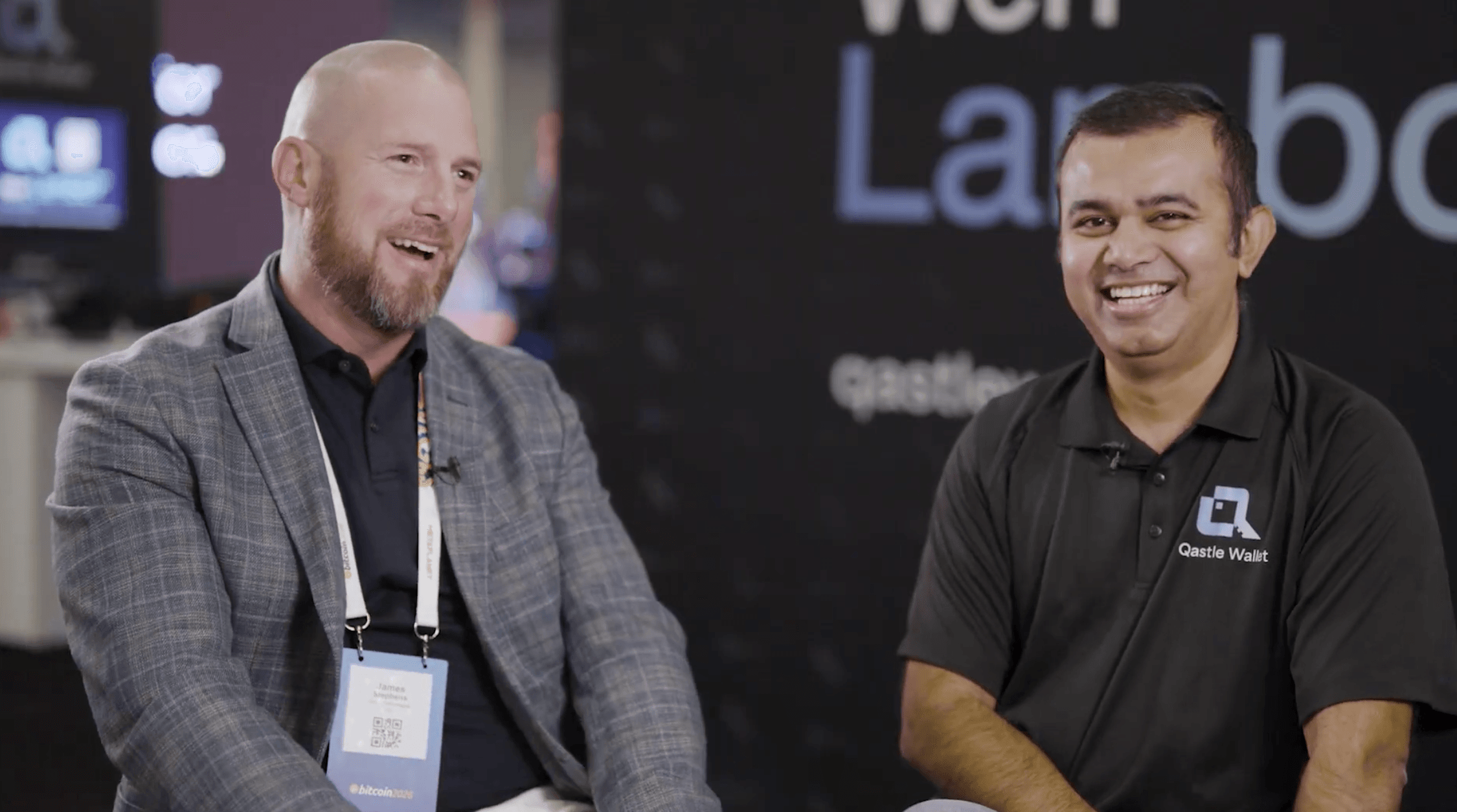
James explained Q-Day as the moment when quantum computing reaches a level where current encryption standards, including elliptic curve cryptography, could be placed under serious pressure. He also made clear that he believes the timeline may be moving faster than many people once expected.
“It will not come as some trumpet blazing. It’ll be very silent, very lethal for the financial infrastructure.”
That is one of the most powerful lines from the discussion because it cuts through the abstract nature of the topic. Q-Day is not likely to arrive as a clean, public moment where everyone has time to react. The concern is that serious capability could appear quietly, with consequences felt after the fact.
James referenced the way standards bodies and the wider industry continue to adjust timelines as new research and development emerge. His personal view is that the serious risk window could arrive around 2028, though this should be understood as his perspective rather than a guaranteed date.
The broader point is more important than the exact year. If security migration, wallet adoption, infrastructure upgrades, user education, and institutional planning take time, waiting for absolute certainty could leave the industry reacting too late.
Fighting Quantum with Quantum, and AI with AI
Sam also brought AI into the conversation, asking whether Qastle Wallet is designed with traditional hacking, AI-assisted attacks, and emerging security risks in mind.
James framed Krown’s approach around an old idea with a modern update:
“We fight quantum with quantum and AI with AI.”
That line reflects how Krown is thinking about the changing threat landscape. Quantum computing is one part of the future risk environment, but AI is also accelerating the speed at which attackers can discover weaknesses, automate attempts, and scale social engineering or technical exploitation.
James said Qastle Wallet was built with both AI and quantum threats in mind, and that the company’s focus is not static. He tied this to two internal principles that have come up across Krown’s recent conversations: rate of innovation and rate of execution.
“ROI and ROE, rate of innovation and rate of execution.”
For James, security is not only about seeing the risk. It is about how quickly a team can understand it, build against it, and continue improving without losing standards.
That is especially important in a sector where new risks do not arrive one at a time. AI, quantum research, phishing, wallet compromise, user error, and infrastructure weaknesses can overlap. The companies that move fastest are not necessarily the ones that win. The stronger position belongs to teams that can move quickly and execute carefully.
A Maturing Industry Needs a Different Standard
Sam brought his own experience into the discussion, reflecting on how the digital asset industry has matured over the last several years. He noted that the sector looks very different from the earlier era of ICOs, where credibility and institutional presence were far less visible.
James agreed, saying the way teams carry themselves, connect with people, and treat others matters more as the industry matures.
“At the end of the day, it’s a people business.”
That point may sound simple, but it matters in the context of security and adoption. As more institutional players, investors, founders, and enterprise teams enter the space, the standard of communication and trust becomes higher. A project cannot rely only on energy or trend language. It has to be able to explain what it is building, why it matters, and how it is addressing real risks.
This became especially relevant when Sam asked what mistakes James sees other founders making.
James’ answer was direct: many are not studying the threat landscape deeply enough.
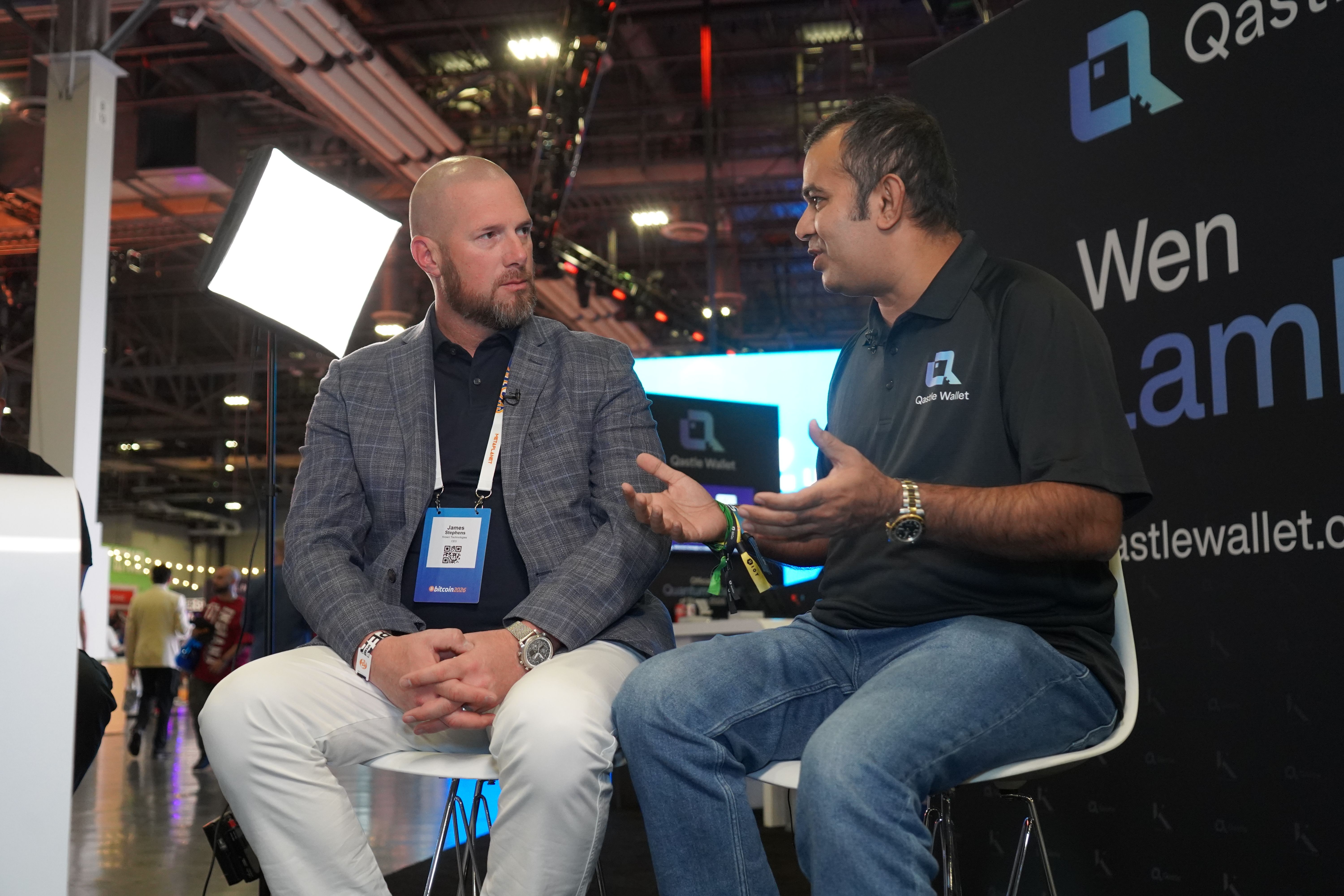
“They’re not studying the threat vectors. They’re not understanding where the problems lie and they’re not addressing those problems.”
He also warned against simply riding fashionable words like AI or quantum without understanding the full landscape. That is an important founder lesson. In a market where certain terms become popular quickly, serious companies need to be able to show the work behind the language.
Krown Network and the Camelot Ecosystem
The conversation then moved into the structure of Krown Technologies, Krown Network, and the wider Camelot Ecosystem.
James explained that Krown Technologies Inc. is the parent company, with Krown Network positioned as a Layer 1 quantum-secure blockchain. He described the ecosystem through a human-body analogy: the chain is the body, while the products, platforms, and services inside the ecosystem act like organs that feed back into it as usage grows.
Qastle Wallet is one of those products, and James described it as one of the strongest early points of traction for the ecosystem. He also credited the organic community behind Krown’s growth, noting that grassroots trust and word-of-mouth can create a different kind of loyalty than purely paid attention.
That is an important part of the Krown narrative. The ecosystem is not only being built as a chain with products attached. It is being built around recurring use, community engagement, wallet adoption, and connected infrastructure.
The long-term vision, as James described it, is to continue growing, continue providing solutions, and continue protecting digital financial infrastructure as the threat environment changes.
The Responsibility Behind Digital Asset Security
One of the strongest themes in the interview was responsibility. James repeatedly came back to the idea that founders and executives have a duty to the people who trust their products, platforms, and ecosystems.
“We have a solemn duty as owners, founders, executives to do what we can to help, right? Do good with tech.”
That line gives the conversation a more human centre. Quantum security can sound technical. Wallet infrastructure can sound product-led. But the reason any of it matters is that people are putting real value into these systems.
James framed Krown’s work around protecting the future and protecting the hard-earned money people put into companies and ecosystems they believe in. This is where the conversation moved beyond product features and into a wider question of trust.
For digital assets to mature, the systems around them need to be built with that trust in mind.
Adoption, Education, and the Road Ahead
Toward the end of the conversation, Sam asked about what comes next for Krown and where people can find the team. James discussed Krown’s major event presence, including the six-year relationship with The Bitcoin Conferences and the six-year deal with Blockchain Futurist Conference across Toronto and Miami.
He also spoke about brand recognition, adoption, and the need to continue getting the message out to users.
When Sam asked about Qastle Wallet traction, James pointed to strong early growth and said that one of the biggest challenges is helping end users understand the value proposition around quantum protection. That education piece matters because many users still do not fully understand quantum risk or why wallet-level security is such a practical place to begin.
James explained that the more time the team spends with people organically, the more those users can help others understand the conversation too. That is where community, product education, and adoption begin to connect.
A Founder’s Biggest Headache
The interview closed on a lighter but revealing note. Sam asked James about his biggest headache as a founder and leader.
James’ answer was not fundraising, staffing, or market pressure. It was the inability to switch off from invention.
“My biggest headache is being able to close my eyes at night and not think about what I want to invent next.”
That answer says a lot about the pace behind Krown. The company is not only trying to respond to the current market. It is trying to build ahead of the next one.
For James, that comes back to execution. Ideas matter, but the rate at which a team can turn ideas into usable, credible infrastructure matters even more.
Why This Conversation Matters
The conversation between Sam Kamani and James Stephens is important because it connects several themes that are usually discussed separately: founder experience, wallet security, quantum risk, AI, user protection, community growth, and the future of decentralised assets.
The strongest takeaway is that security cannot be treated as an afterthought. It needs to be built into the wallet, the chain, the ecosystem, and the culture of the company.
Qastle Wallet sits at the centre of that story because the wallet layer is where users experience digital asset protection most directly. Krown Network expands that thinking into infrastructure. The wider Camelot Ecosystem points to a future where products, services, and communities are designed to work together rather than sit in isolation.
As the industry matures, the projects that last will likely be the ones that understand both sides of the equation: technical preparation and human trust.
Krown’s position is that the future of decentralised assets needs both.
Learn more:

Sign up to the Krown Mailing List
Secure your insider access to demos, builds and betas. Join us.