“Sovereignty Without Security Is Just Exposure” James Stephens and Zach Czerkas on Q-Day, Qastle Wallet, and Digital Asset Protection

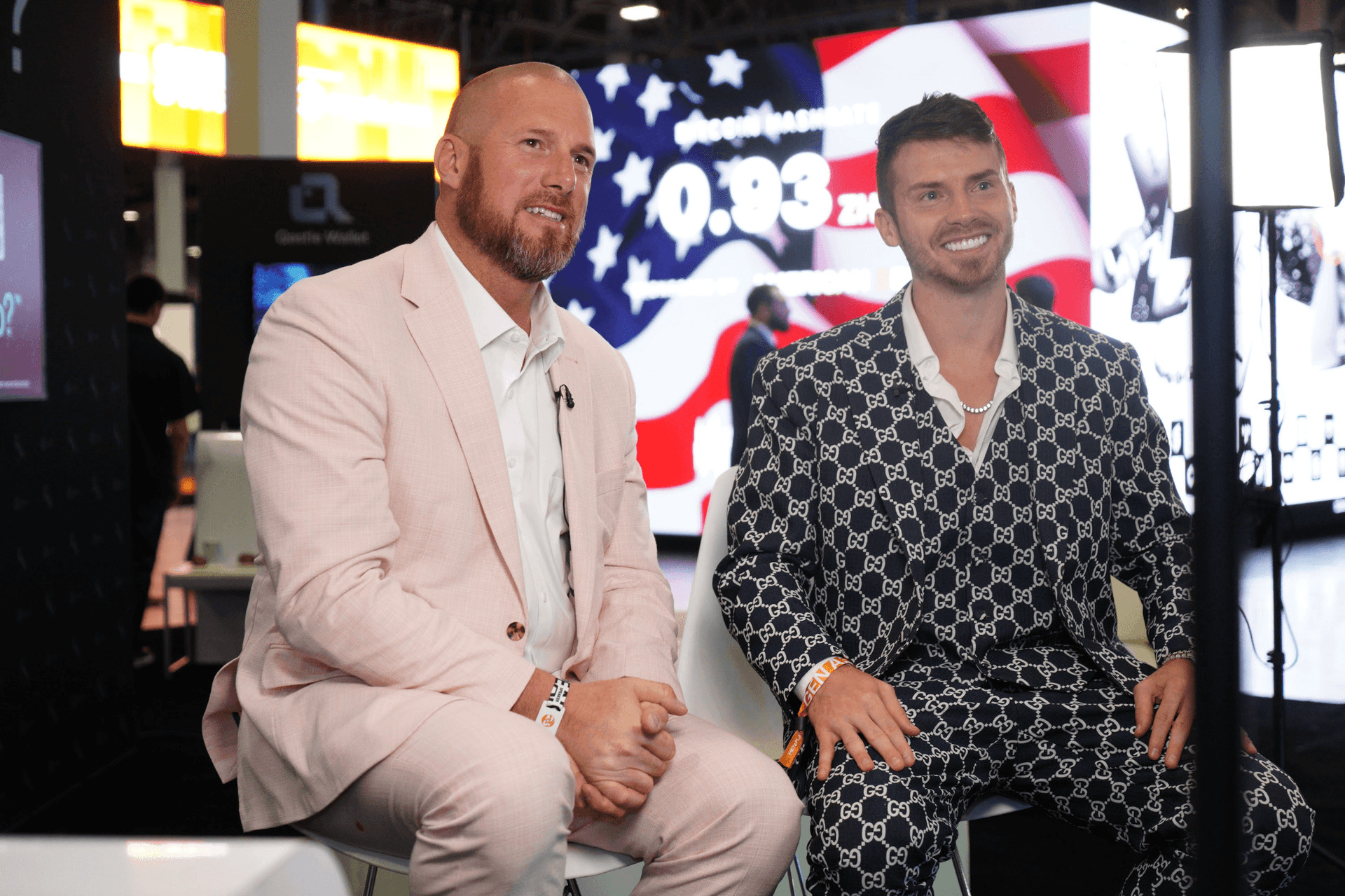
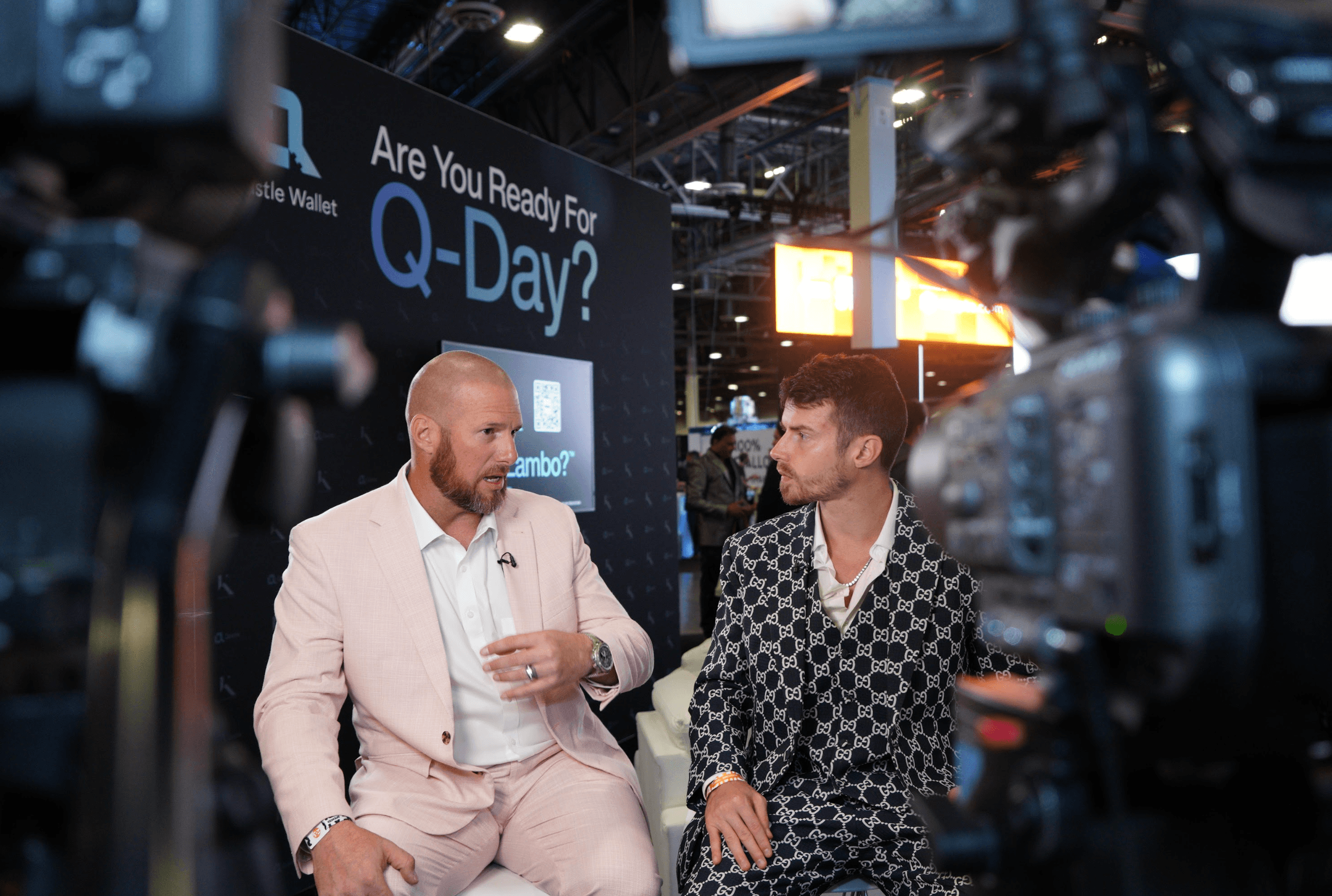
At Bitcoin 2026, James Stephens, Founder & CEO of Krown Technologies Inc., joined Zach Czerkas of Credibility X Media at the Qastle Wallet booth for a conversation about Q-Day, wallet-level security, sovereignty, institutional adoption, and why the protection layer around digital assets needs to move faster.
James brought the Krown Technologies perspective: Qastle Wallet, quantum-aware security, Krown Network, Q-Day, and the need to prepare before future threats become unavoidable.
Zach brought the market and institutional lens: family offices, treasury thinking, sovereignty, brand trust, and why digital asset security needs to be understood beyond the crypto-native audience.
The strongest line of the conversation came from James:
“Bitcoin is about sovereignty. It’s about freedom. It’s about ownership, but sovereignty without security is just exposure.”
That line captures a tension the industry cannot avoid.
Self-custody gives people control. Digital assets give people new ways to hold and move value. Bitcoin introduced a powerful idea of financial sovereignty. But control alone is not enough.
If the wallet is weak, the keys are exposed, the user is phished, the custody model is poorly understood, or the cryptographic assumptions change over time, ownership can become fragile.
That is why wallet-level security is moving from a technical niche into a front-line issue for users, builders, institutions, and long-term holders.
Qastle Wallet and the Move From Visibility to Category Positioning
The conversation took place during a major moment for Krown Technologies. James announced that Krown had secured a six-year exclusive agreement naming Qastle Wallet the Official Quantum Wallet of The Bitcoin Conferences and Bitcoin Magazine.
“We’ve secured a six-year exclusive deal with the Bitcoin Conferences for Qastle Wallet to be the Official Quantum Wallet of Bitcoin Conferences and Magazine.”
That is more than sponsorship visibility.
In an industry where attention moves fast, recurring presence matters. A six-year agreement gives Qastle Wallet repeated opportunities to educate the market, build recognition, and keep the quantum-security conversation in front of users, builders, institutions, media, and event audiences.
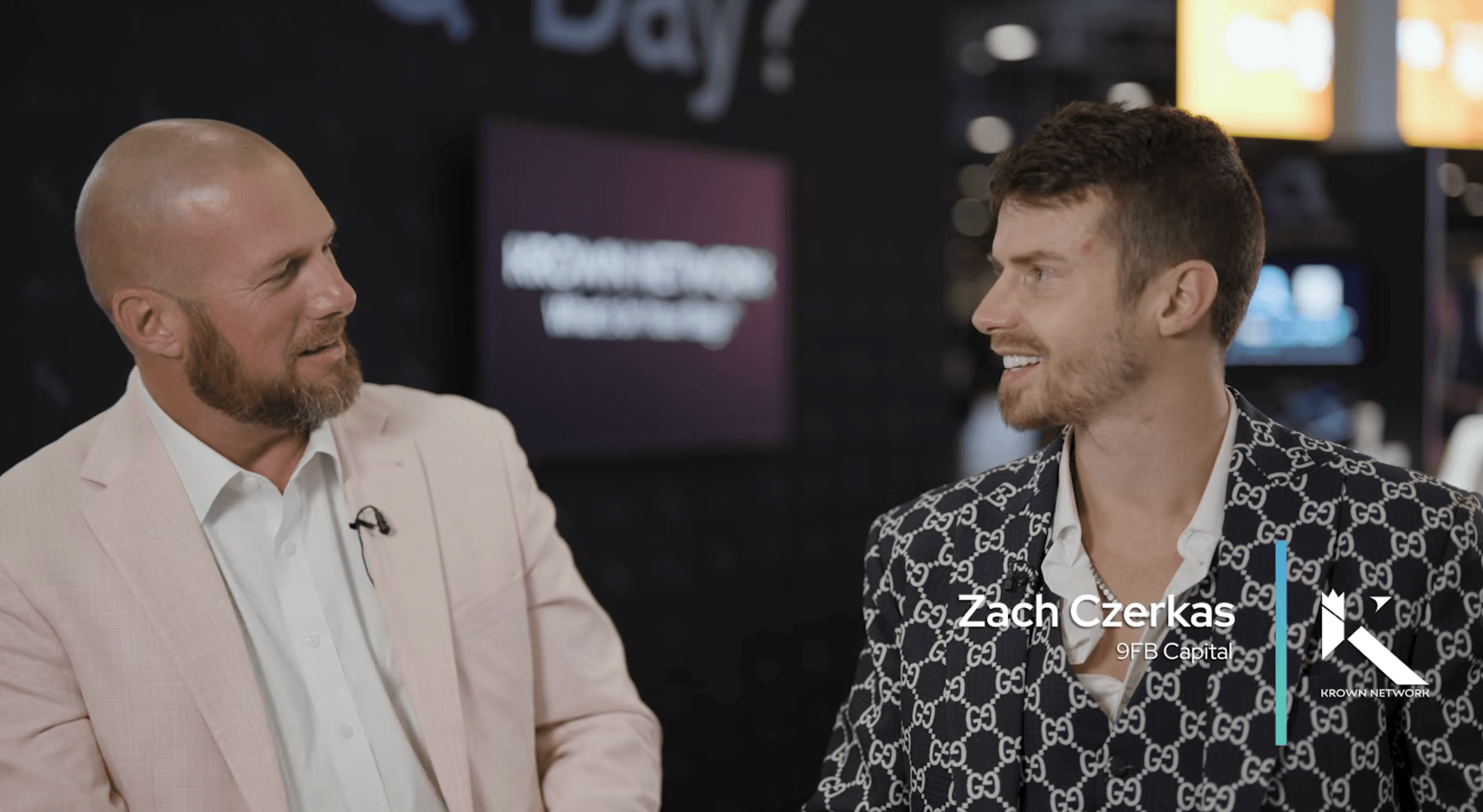
Krown is not renting attention for one event. It is building category memory around quantum-aware wallet security.
Zach recognised the scale of that presence immediately, noting the booth and presentation as signs that Krown had arrived at Bitcoin 2026 with serious intent.
James connected that visibility to the wider Krown ecosystem, explaining that Qastle Wallet is one product in a larger roadmap.
“We put a lot of work into Qastle.”
That work matters because Qastle is becoming the front door to a broader security conversation: how users protect digital assets now, how institutions prepare for future threats, and how wallet infrastructure needs to evolve before the market is forced to react.
Why Q-Day Is No Longer a Distant Conversation
One of the strongest themes in the discussion was Q-Day, the point at which quantum computing may become powerful enough to challenge certain cryptographic systems.
James connected that risk to harvest now, decrypt later, where attackers collect encrypted information or sensitive material today with the expectation that future technology may make it easier to exploit later.
For digital assets, the implications are serious. Wallets, keys, signatures, custody models, treasury holdings, and long-term asset protection all depend on cryptographic assumptions. If those assumptions begin to shift, security planning has to shift with them.
James was direct about how close he believes the conversation has become:
“My timeline for that is Q-Day, what we call Q-Day, is 2028, 2029 right now. It wasn’t that long ago it was 2045.”
That is James’ view, not a guaranteed timeline. But the broader point is important: quantum risk is no longer being discussed only as a distant theoretical issue.
The key issue is not whether everyone agrees on the exact date. The issue is that security infrastructure takes time to build, test, adopt, and trust. Waiting until the threat becomes obvious may be waiting too long, especially for users, funds, family offices, and treasury holders thinking in multi-year timelines.
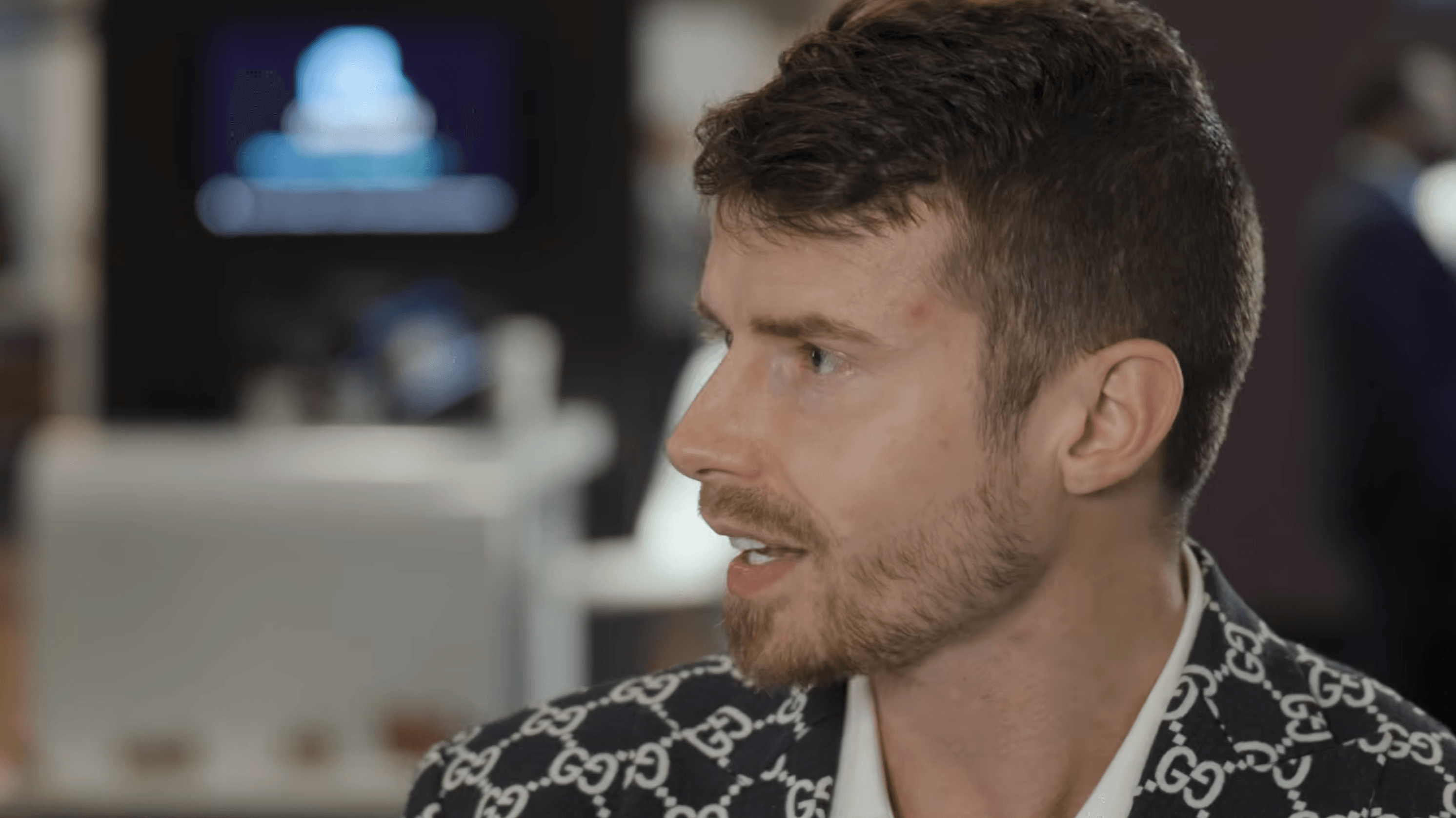
James gave one of the strongest warnings of the conversation when he described how Q-Day may arrive:
“When Q-Day arrives, it’s not going to come with trumpet sounding on some beautiful horse. It’s going to be silent and lethal and it’s going to be absolutely disruptive.”
The language is strong, but the point is preparation, not fear for the sake of fear.
Major security shifts do not always arrive with a clear public warning. By the time a threat is obvious to everyone, the organisations and users that prepared early may already be in a stronger position.
That is why Qastle Wallet is being positioned as part of a preparation strategy, not a panic response.
The Security Layer Around Sovereignty
Zach brought the discussion into one of the strongest ideas in digital assets: sovereignty.
His point was that people and institutions increasingly want control over their assets, especially in a world where debanking, financial access, and institutional trust are becoming part of the wider conversation.
James agreed, but sharpened the point by tying sovereignty directly to security.
“Sovereignty without security is just exposure.”
Holding your own assets is powerful, but it does not automatically make you protected. A user can hold their own keys and still be vulnerable to phishing, weak device security, poor wallet infrastructure, future cryptographic risk, or simple operational mistakes.
For institutions, the question becomes even bigger. A fund, family office, or treasury holder cannot only ask whether an asset fits the strategy. They also need to ask whether the storage model, access controls, wallet infrastructure, signing process, and long-term security assumptions are strong enough to support that strategy.
That is why wallet-level security matters.
The whole industry may not upgrade at once. Every chain may not move at the same speed. But users and institutions can begin strengthening the protection layer around the assets they hold now.
Qastle Wallet sits directly inside that practical conversation. It is not only about access. It is about what secure self-custody may need to look like as the threat landscape evolves.
Why Family Offices and Institutions Need to Pay Attention
Zach brought a valuable institutional perspective into the conversation. He spoke about family offices, hedge funds, private equity, venture capital, treasury thinking, and the education gap that still exists around digital assets.
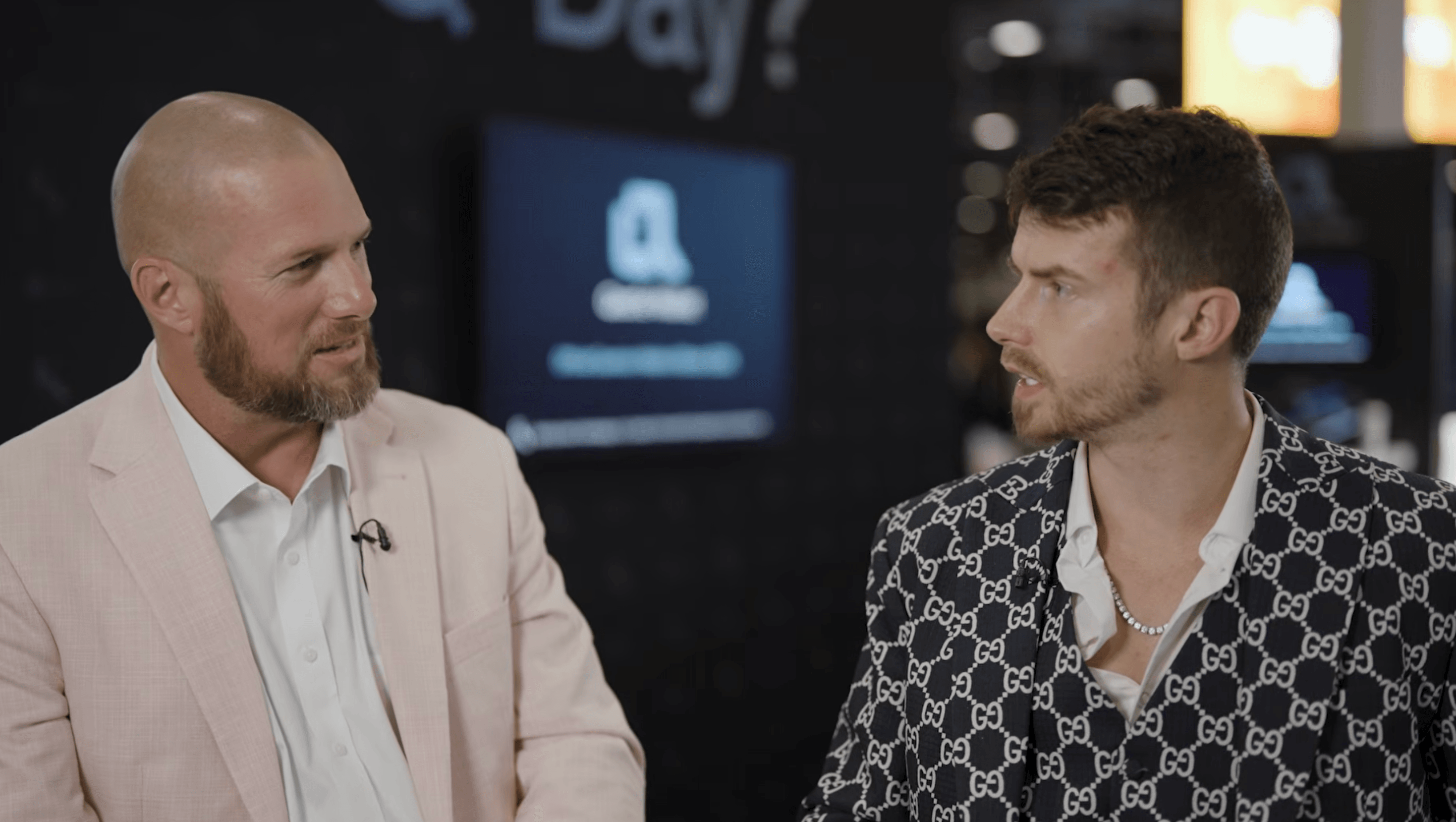
That point matters because the security conversation is no longer only for retail users or crypto-native builders.
Family offices and institutional allocators think in terms of governance, reputation, custody, compliance, risk, long-term value, and operational resilience. If digital assets become part of treasury strategies or long-term portfolios, then wallet security becomes part of the investment conversation.
The questions become practical:
- How are the assets secured?
- What wallet infrastructure is being used?
- Who controls access and signing authority?
- What happens if cryptographic risk changes over time?
- How does the custody model protect long-term holdings?
- Is the infrastructure suitable for future threat models?
- These are governance questions, not hype questions.
James noted that even among people who understand digital assets, only a smaller group may fully understand the quantum-security conversation and why it matters. That gap creates an opportunity for education and reinforces why Krown’s presence at major events matters.
If family offices, funds, and institutional audiences are beginning to explore digital assets more seriously, then security needs to be part of the conversation from the beginning.
Krown Network and the Premium Chain Vision
The conversation also moved beyond Qastle Wallet into Krown Network.
James described Krown Network as a Layer 1 with a quantum-security focus and a gated, premium approach. Rather than positioning the chain as a completely open environment where anything can launch without standards, he spoke about a more selective model designed for higher-quality participation.
He referenced conversations around asset-backed and enterprise use cases, including:
- emerald mining
- lithium
- rare earth minerals
- institutional infrastructure
- high-value asset tokenization
- enterprise-grade ecosystem participation
The point was not simply that these sectors could move on chain. The point was that institutional and asset-backed use cases may require a different kind of blockchain environment.
They need security, standards, credibility, and infrastructure that can support serious participation.
As James put it:
“It’s a secure, it’s gated, it’s premium.”
That language connects directly with the wider Krown ecosystem.
Qastle Wallet is the secure front door.
Krown Network is the infrastructure layer.
KrownDEX and the broader ecosystem provide connected utility.
Together, the pieces support a vision where security, access, and ecosystem standards are designed to work together rather than develop separately.
Brand, Trust, and the People Behind the Technology
Toward the end of the conversation, Zach discussed the importance of narrative, branding, and trust, especially for companies trying to reach institutional audiences.
James agreed and grounded the point in something simple:
“No matter what you do, you can be in tech, whatever, it’s a people business.”
That line matters because security conversations can easily become abstract. Q-Day, cryptography, wallets, chains, tokenization, and treasury strategy are technical topics, but the reason they matter is human.
People are trying to protect savings, businesses, treasuries, communities, and long-term value. Institutions are trying to make decisions they can defend. Founders are trying to build systems people can trust.
That is why communication matters. It is also why recurring event presence matters.
James referenced Krown’s broader event activity, including Blockchain Futurist Conference in Toronto and Miami, where Krown will continue building visibility and category presence.
These events give Krown repeated opportunities to bring the quantum-security conversation into rooms where it needs to happen.
In a market full of noise, trust is built through repetition, education, delivery, and human connection.
Technology may be the product, but trust is still built between people.
Watch the Full Conversation
The full conversation between James Stephens, Founder & CEO of Krown Technologies Inc., and Zach Czerkas of Credibility X Media was recorded at Bitcoin 2026 on April 28, 2026.
Learn more:

Sign up to the Krown Mailing List
Secure your insider access to demos, builds and betas. Join us.