Texas Block-Cast: James Stephens and Giovanni Capriglione on Quantum, Blockchain, and Digital Sovereignty

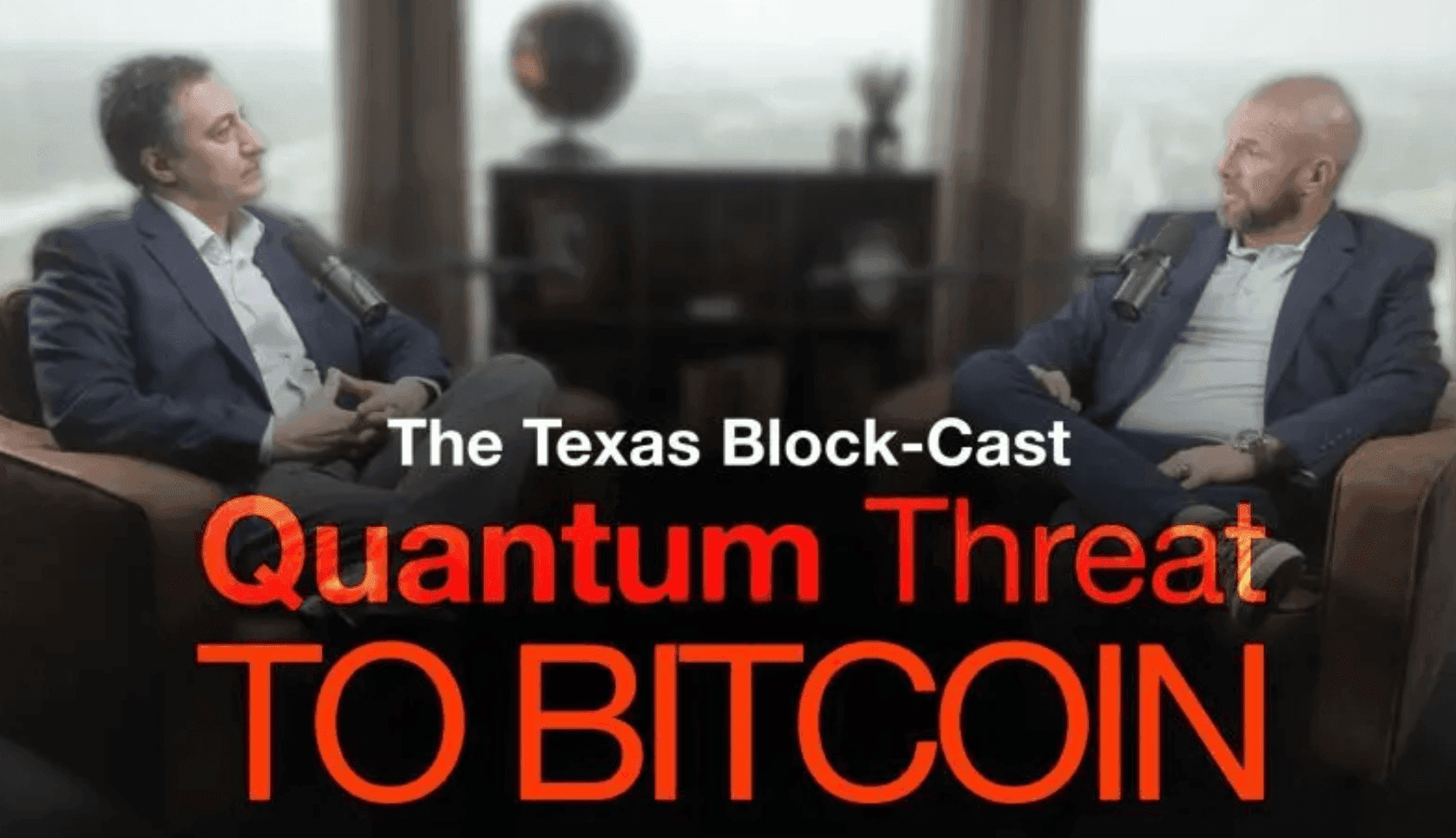
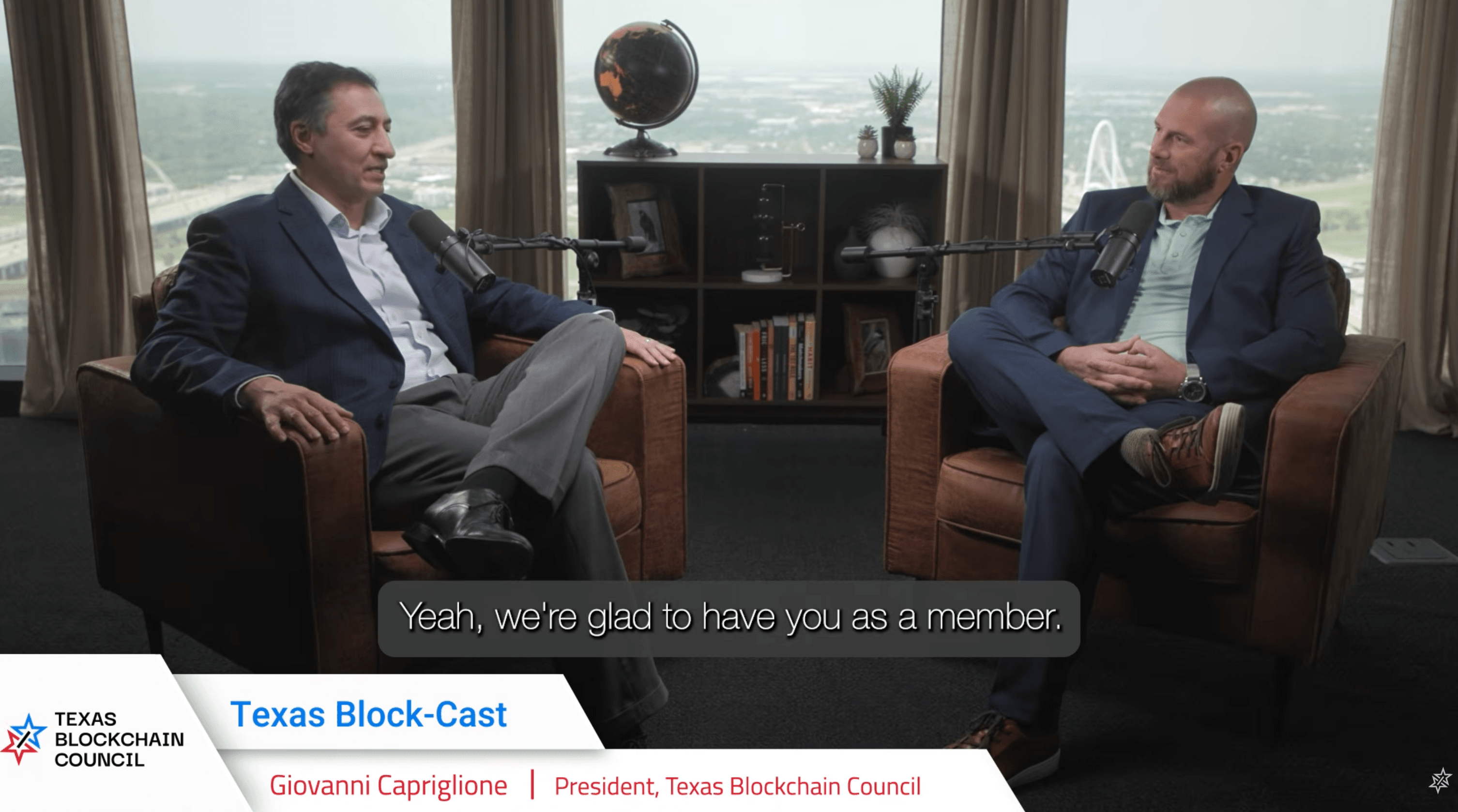
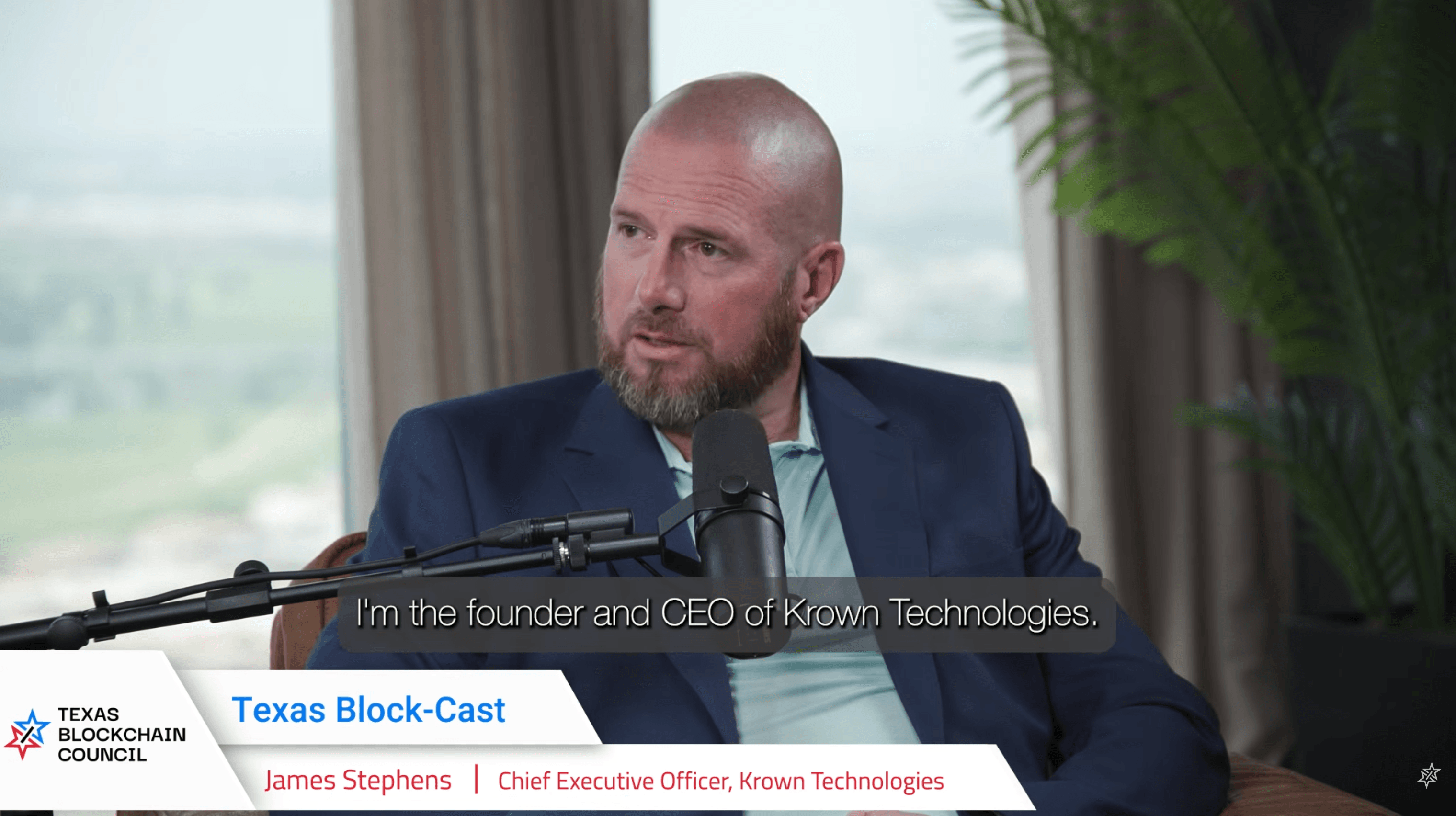
On the Texas Block-Cast, Giovanni Capriglione, President of the Texas Blockchain Council, sat down with James Stephens, Founder & CEO of Krown Technologies Inc., for a conversation about the intersection of quantum physics, blockchain, and the future of digital sovereignty.
The discussion covered the origins of Krown Technologies, the purpose behind Krown Network, the role of Qastle Wallet, the acceleration of Q-Day timelines, and why Texas is becoming an important centre for conversations around blockchain, energy, digital infrastructure, and emerging technology.
At the heart of the conversation was one question: how does the digital asset industry protect value when the computing landscape itself is changing?
For James, that question is not theoretical. It is the reason Krown was built.
Why Krown Technologies Was Built
James opened the conversation by explaining that Krown Technologies was founded out of personal experience. After nearly a decade in DeFi, blockchain, and digital assets, he had seen the industry’s promise, but also its weaknesses. Scams, hacks, fraud, and poor user protection have created a stigma that serious builders still have to work against.
Rather than accept that as part of the sector, James described it as the problem that pushed him to build.
“Krown Technologies was really founded out of my own misfortune.”
That origin matters because it gives Krown’s security focus a practical foundation. This is not simply a company talking about future threats because quantum sounds impressive. It is a company built around a real concern: people are losing value today, and the risks ahead could become even more serious if the industry does not prepare.
James explained that the mission grew from two connected ideas. First, to address the existing problems in digital assets. Second, to ask what technology could do for users, for the wider world, and for the state.
That is where the quantum conversation enters the Krown story. Years ago, when James spoke about quantum risk in blockchain, many people treated it as a distant topic. Today, those conversations are becoming more urgent.
“A few years ago I was talking about the threats of quantum attack, and that was a time when people would pat you on the back and say, that’s wonderful, we’ll talk about that later. Now here we are.”
The shift from “later” to “now” shaped much of the discussion.
The Camelot Ecosystem and Krown Network
Giovanni asked James to explain the Camelot Ecosystem and how it differs from other blockchain projects. James described Camelot as the broader ecosystem around Krown Network, built to be wide-ranging, utility-focused, and deeply aligned with security.
He used a simple analogy: imagine the blockchain as the human body, with the ecosystem products acting like organs that help support and feed back into the network.
The important point is that Krown Network is not being positioned as a single isolated chain. It is being built as the infrastructure layer for a larger ecosystem of products and services, including Qastle Wallet and other planned utilities.
James described Krown Network as a Layer 1 built around post-quantum cryptography, quantum-aware security principles, and a broader ecosystem designed for future-facing protection.
That is the strategic difference. Krown is not trying to add security later. It is designing the ecosystem around security from the start.
Qastle Wallet and the Wallet-Level Security Problem
The conversation then moved into wallets, where the quantum-security issue becomes more practical for everyday users. Giovanni asked what it means when wallets describe themselves as quantum-secured, and how users should think about protection when so much of the market is still trying to understand the threat.
James pointed to the limitations of mainstream wallets and explained that Qastle Wallet was built to address both current and emerging risk.
“We looked at that and said, here’s where we see the threat vectors, here’s what the main complaints are in these wallets, and here’s where the worries are.”
That is a useful way to frame Qastle Wallet. It is not only about future quantum risk. It is also about the everyday security concerns users already understand: how keys are stored, how assets are protected, how data is handled, and how a wallet reduces exposure to attack.
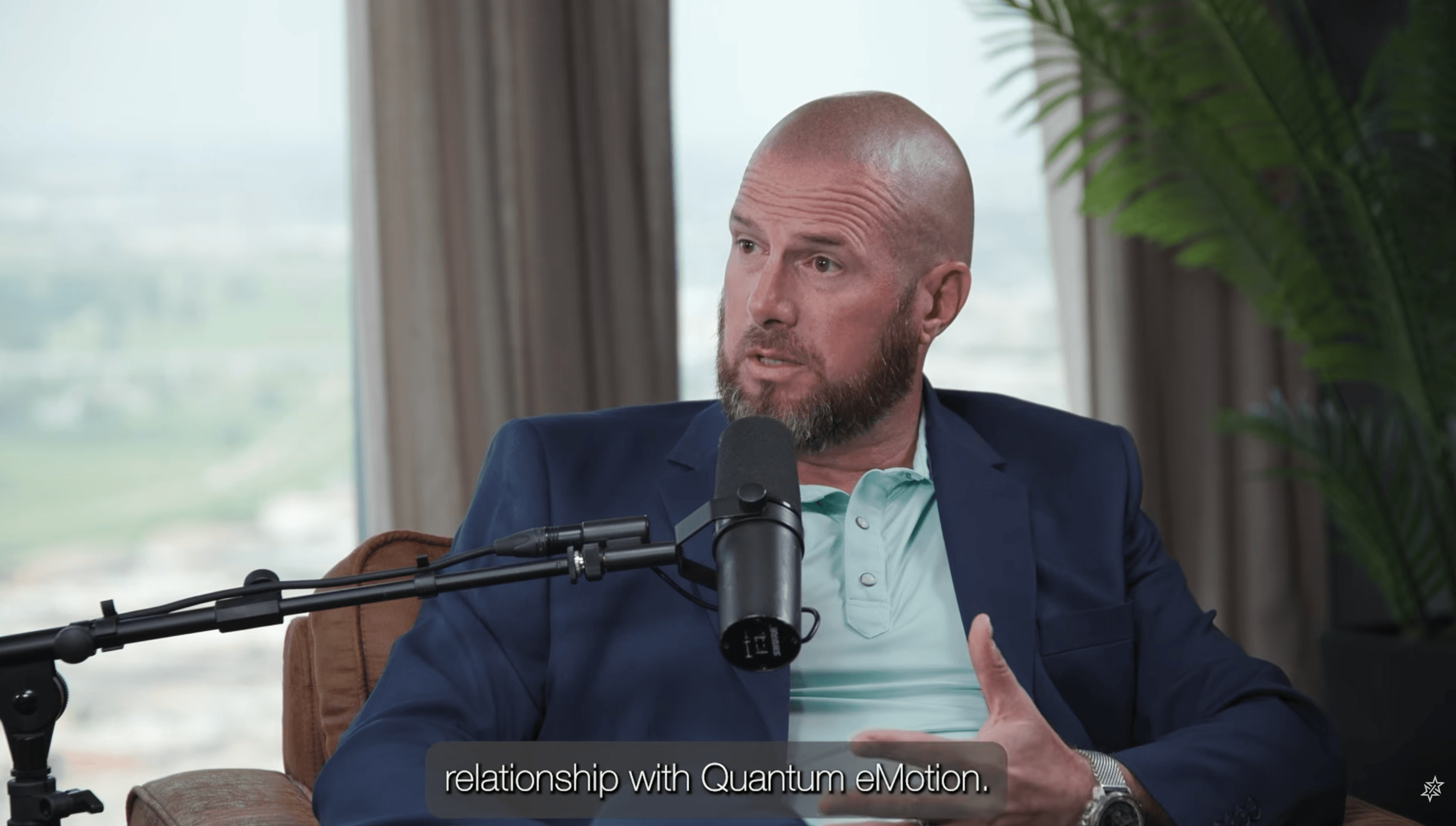
James also discussed the role of QRNG, or quantum random number generation, through Krown’s partnership with Quantum eMotion. The key idea is entropy, the randomness used to help protect cryptographic materials such as wallet keys.
“The differentiator is that we use a proprietary quantum encryption called QRNG, quantum random number generation, and that secures the keys that are in the wallets themselves.”
In simple terms, stronger randomness matters because weak or predictable randomness can undermine cryptographic security. For digital assets, where keys are central, that becomes a serious design issue.
James also discussed Qastle Wallet’s role as the Official Quantum Wallet of BTC Inc. and The Bitcoin Conferences, placing the wallet-security conversation directly in front of one of the most influential audiences in digital assets.
Why the Q-Day Timeline Keeps Moving
A major part of the episode focused on Q-Day, the point at which quantum computing may become powerful enough to challenge certain cryptographic systems.
Giovanni referenced recent research and the way timelines around quantum capability appear to be moving closer. James agreed that the conversation has changed, and he made clear that he believes some public estimates may still be too far out.
“We only know what quantum allows us to know.”
That line is one of James’ clearest ways of explaining the uncertainty. Quantum computing is not developing in a simple, linear, predictable way. New breakthroughs, new research, and new efficiency gains can quickly change the assumptions people were using only months before.
James pointed to shifting standards, research timelines, and the growing urgency around post-quantum planning. His view is that the industry should not treat Q-Day as a distant 2040s problem. He believes the risk window could be much closer, potentially around 2027 or 2028.
That should be understood as James’ view, not a guaranteed timeline. But the broader point is important: security infrastructure takes time to build, test, migrate, and trust. If exchanges, wallets, chains, institutions, and users wait until the threat is obvious, they may already be behind.
The conversation also touched on harvest now, decrypt later, where attackers collect encrypted data or sensitive material now with the expectation that future computing power may make it easier to exploit later. For digital assets, that raises serious questions around keys, signatures, storage, custody, and long-term asset protection.
Quantum as Both Attack and Defence
Giovanni brought his own technical perspective into the conversation, reflecting on quantum physics and how quickly the field has moved from theory into practical computing. He also pointed to the acceleration happening through artificial intelligence, compute investment, and power infrastructure.
James described the situation as a race between two sides: the attack side and the defence side. Quantum computing creates new risks, but quantum encryption and post-quantum cryptography are part of the defensive response.
“You have the attack side, you have the defense side. The quantum computing side is going to be that attack side that we can see, and then you have the quantum encryption side, the defensive.”
That framing is important because it avoids treating quantum as only a threat. Quantum technology also creates new tools for defence, security architecture, and stronger systems.For Krown, the goal is to build at the intersection of quantum and blockchain. James explained that this was the purpose behind Krown Network from the beginning: identify the emerging threat, find the defensive technology needed to address it, and build the ecosystem around that direction.
That is where Quantum eMotion, led by Dr. Francis Bellido, enters the story. James discussed Krown’s partnership with Quantum eMotion and the role that relationship plays in Krown’s quantum-security direction.
What Users and Platforms Should Be Asking Now
One of the most practical parts of the conversation came when Giovanni asked what people should be doing today if they are worried about Q-Day.
James’ first point was wallet-level protection. Users need to think about where their assets are stored and whether their wallet is built for emerging threats. But he also widened the issue beyond individual wallets.
The whole ecosystem needs to be examined, including exchanges, chains, custody providers, and other platforms users rely on to move and hold value. James argued that users should be asking whether those platforms have a post-quantum migration plan and whether they are using cryptographic tools in the right places.
“If they’re not talking about it, if they have not issued a plan, I would steer clear of that.”
That may be one of the strongest practical messages from the episode. It turns the quantum conversation into a due diligence question. Users and institutions should not only ask whether a platform works today. They should ask whether it has a plan for tomorrow.
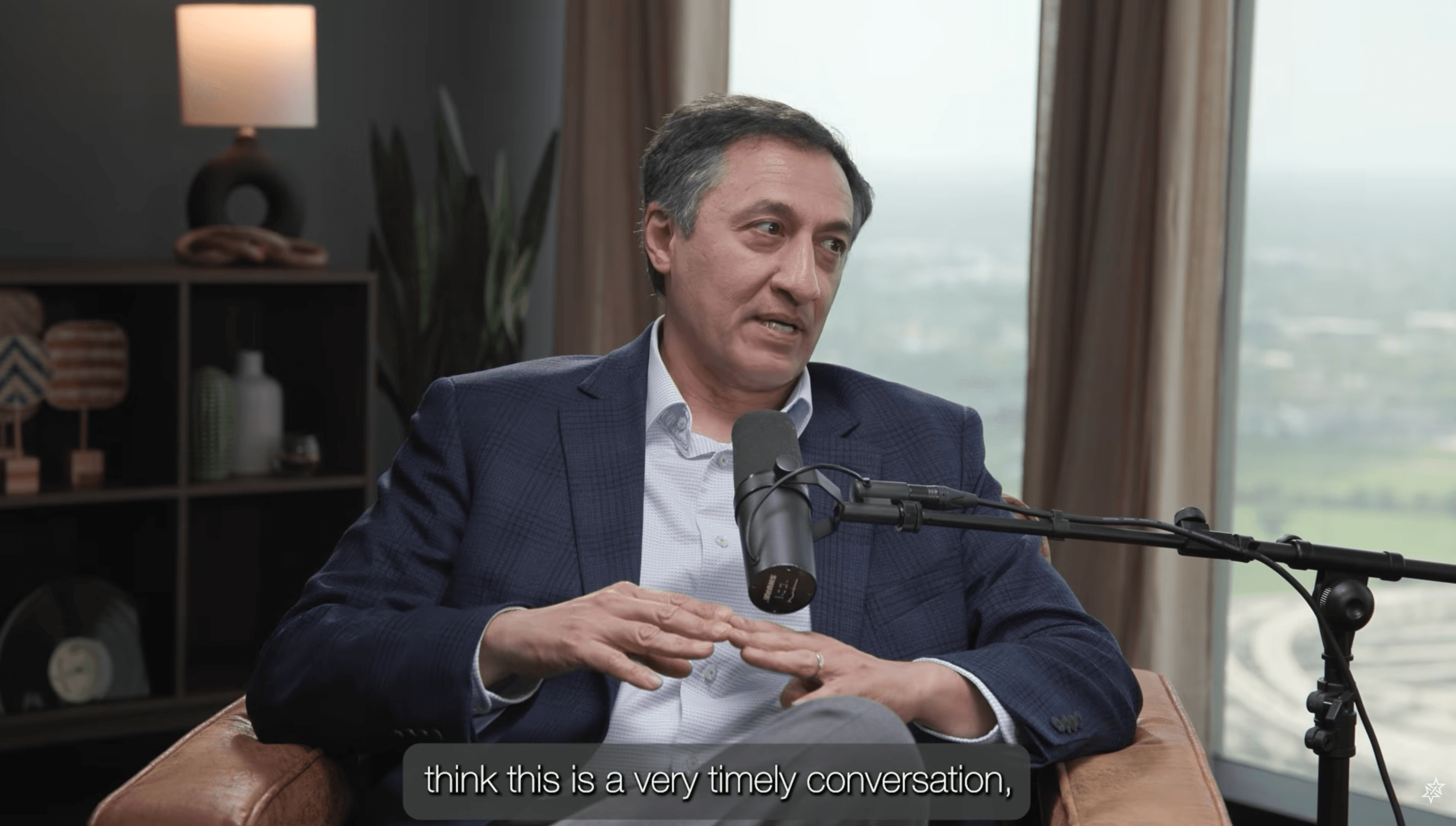
The same applies to exchanges, protocols, wallets, and chains. If they are not already thinking about post-quantum readiness, users should be asking why.
Rate of Innovation, Rate of Execution
James returned to two ideas that have become central to how he talks about Krown’s internal culture: rate of innovation and rate of execution.
“Rate of innovation, rate of execution. If you can harness those and you can master those, you’ve got the leg up.”
That idea matters because future-facing security is not only about seeing the risk. It is about moving quickly enough to address it, while still maintaining standards.
In a category like quantum security, being early is not useful unless the company can also execute. Research has to become infrastructure. Infrastructure has to become products. Products have to become usable. Users have to understand what they are using and why it matters.
That is why James tied the conversation back to protection and trust.
“It’s about protecting people. It’s about protecting the trust that they put into whether it’s a government, an agency, a platform, a company.”
That line connects the technical conversation to the human purpose behind it. The issue is not only cryptography. It is trust, responsibility, and the value people place in systems they depend on.
Texas, Policy, and the Future of Digital Sovereignty
The Texas Block-Cast setting also matters. Giovanni Capriglione is President of the Texas Blockchain Council, and the conversation naturally touched on Texas’ role in the future of blockchain and quantum innovation.
Texas has become a major hub for digital asset infrastructure, energy, policy discussion, and emerging technology. For James, Krown’s relationship with the Texas Blockchain Council is part of a wider effort to ensure these conversations happen at the right level and with the right intensity.
“This conversation needs to be had. It needs to be had by people like you and the TBC.”
Giovanni also raised the importance of government, private markets, individuals, and industry working together. Quantum readiness is not only a private-sector issue, and it is not only a blockchain issue. It touches cybersecurity, financial systems, critical infrastructure, public policy, and national competitiveness.
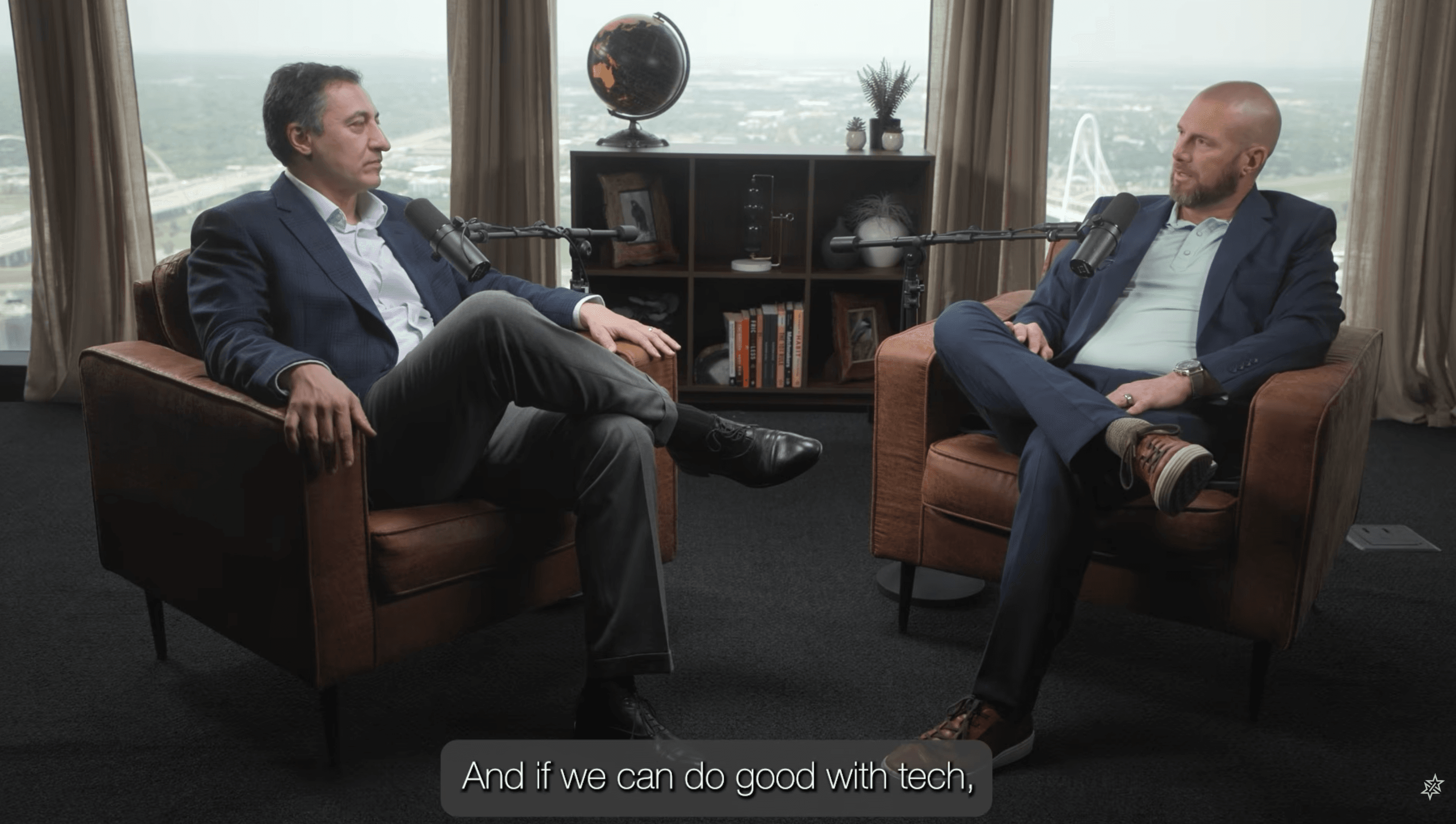
That is why the episode matters beyond Krown alone. It places quantum security inside the broader conversation about digital sovereignty: who controls assets, how those assets are protected, and whether the systems underneath them are ready for the next generation of computing power.
Doing Good With Tech
The conversation closed on one of the most human points in the episode. James spoke about the people who contact him after being hacked, scammed, or losing money. That reality is part of what keeps the mission grounded.
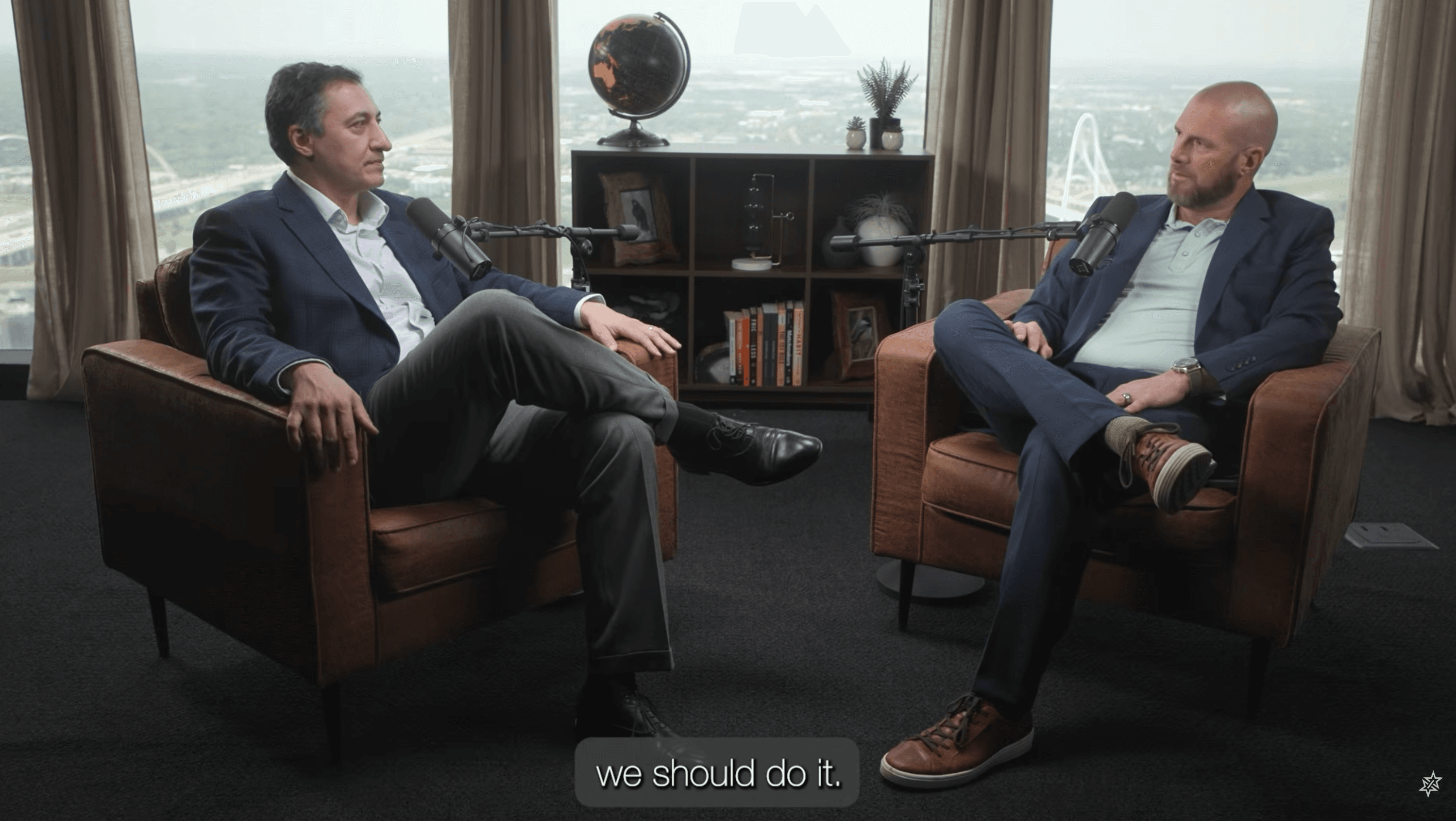
“If we can do good with tech, we should do it.”
That is a simple line, but it captures the wider purpose behind the discussion. The quantum threat can sound abstract. Post-quantum cryptography can sound technical. Blockchain infrastructure can sound complex. But the reason it matters is straightforward: people are trusting digital systems with real value.
Krown’s position is that those systems need to be built for what comes next, while there is still time to prepare.
Watch the Full Conversation
The full Texas Block-Cast conversation between Giovanni Capriglione, President of the Texas Blockchain Council, and James Stephens, Founder & CEO of Krown Technologies Inc., explores quantum security, blockchain, Qastle Wallet, Krown Network, Texas leadership, and the future of digital sovereignty.
Watch the full conversation here.

Sign up to the Krown Mailing List
Secure your insider access to demos, builds and betas. Join us.