Ashton Addison and James Stephens on Q-Day, Qastle Wallet, and Why Wallet Security Has to Move First


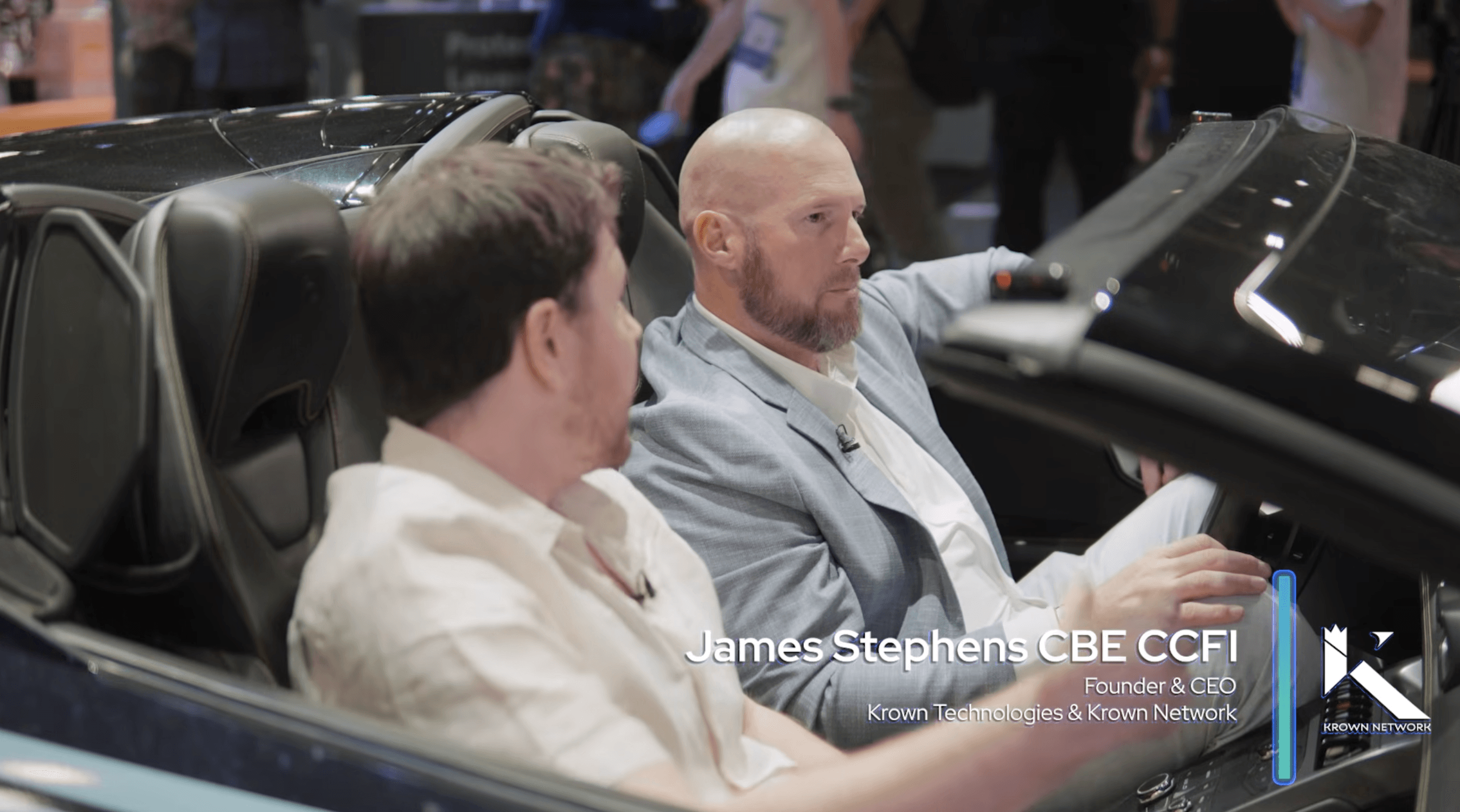
At Bitcoin 2026 in Las Vegas, Ashton Addison, CEO of Crypto Coin Show, spoke with James Stephens, Founder & CEO of Krown Technologies Inc., about one of the most urgent security questions facing digital assets: what happens when the threat landscape moves faster than the systems built to protect it?
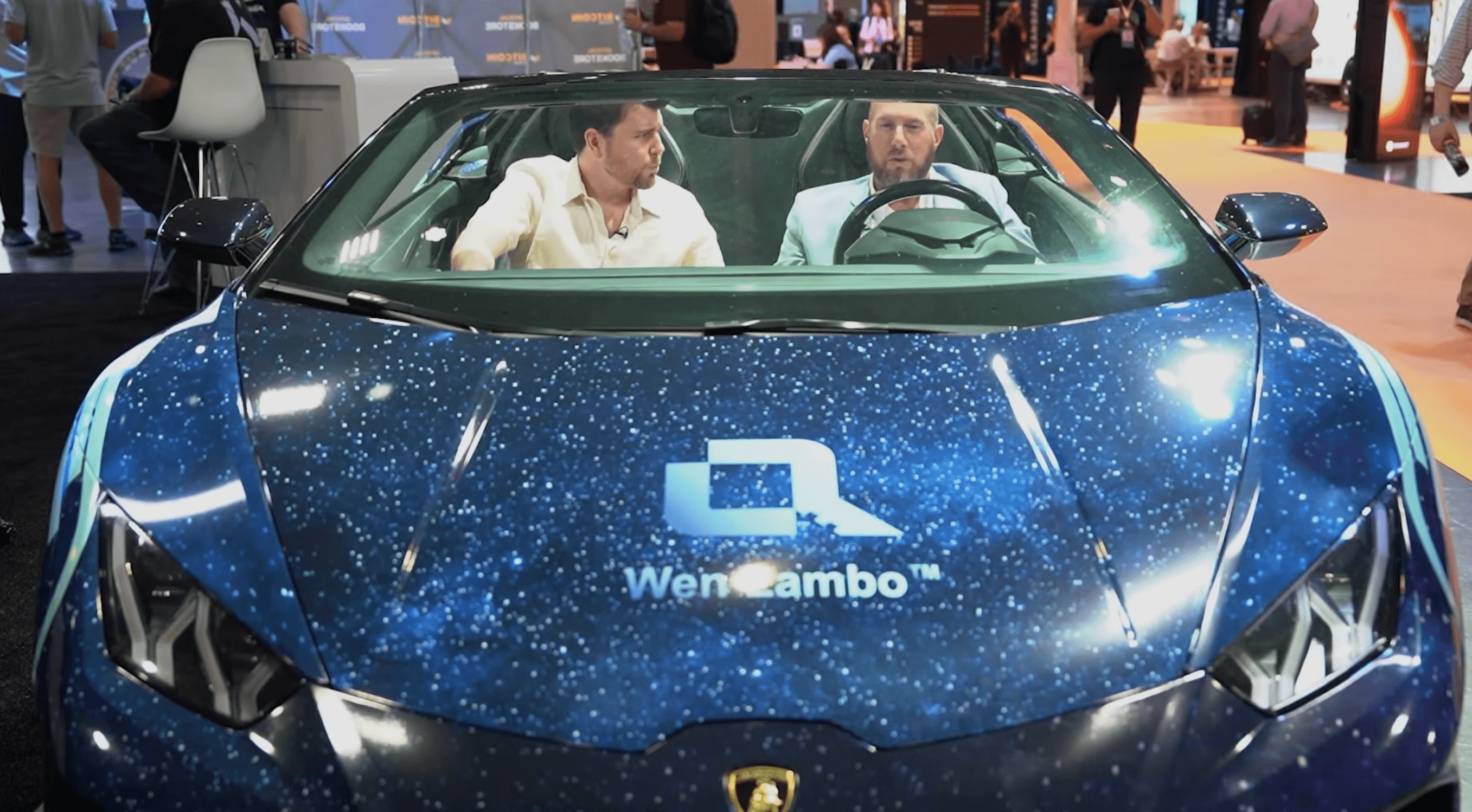
The conversation took place inside the Lamborghini activation at the Qastle Wallet booth, but the subject was much bigger than the setting. Ashton opened with the question many people in the industry are beginning to ask more seriously: what is the realistic quantum threat to Bitcoin, wallets, and digital assets?
For James, the answer begins with uncertainty. Quantum timelines are not fixed, and every new development can change how the industry understands the risk.
“We only know what quantum is really going to allow us to know.”
That line has become one of James’ clearest ways of explaining the challenge. The industry is not dealing with a slow, predictable timeline. Research is advancing, assumptions are shifting, and the conversation around Q-Day is moving from distant theory into practical security planning.
Why Q-Day Is Becoming Harder to Ignore
Ashton framed the issue clearly. Many people have heard that quantum computing could eventually pose a threat to digital assets, but fewer understand what that actually means or where the risk may appear first.
James explained that, in his view, the industry may be closer to a serious Q-Day moment than many people once expected. He referenced shifting timelines and the way research continues to move the conversation forward.
“I personally believe it’ll be sometime in 27, 28 that you’re really going to see that first major point where someone goes, oh crap, Q-Day.”
That should be understood as James’ view, not a guaranteed timeline. The broader point is what matters most: security infrastructure takes time to build, test, adopt, and trust. If users, platforms, and institutions wait until the threat becomes obvious, they may already be behind.
James also connected the conversation to harvest now, decrypt later, where attackers collect exposed or encrypted material today with the expectation that future computing power may make it easier to exploit later. For digital assets, that raises serious questions around wallets, public keys, signing, storage, custody, and long-term asset protection.
The issue is not only whether quantum capability arrives on a specific date. It is whether the industry has prepared enough before that date becomes urgent.
The Wallet Layer Is Where the Risk Becomes Practical
One of the strongest moments in the conversation came when Ashton asked whether quantum risk would attack Bitcoin at the protocol level or whether the immediate concern sits closer to the wallet.
James answered directly:
“The protocol is not the issue. It’s at the wallet level.”
That distinction is important because it moves the conversation from abstract fear into practical security. For most users, digital asset protection begins with the wallet, the keys, the signing environment, and the systems used to store and move value.
This is where Qastle Wallet becomes central to Krown’s strategy. James explained that Qastle was built with quantum-aware wallet protection in mind from the beginning, with a focus on how assets and keys are secured inside the wallet environment.
“Qastle really addresses that from the foundation up.”
The point is not that one product can remove every future risk. No serious security conversation should make that claim. The point is that the wallet layer can move now, while the wider industry continues to debate timelines, standards, and migration paths.
Users do not need to wait for every chain, exchange, and platform to complete a full transition before asking whether their own wallet protection is ready for the next phase.
QRNG, Entropy, and the Role of Quantum eMotion
A major part of the discussion focused on how Qastle Wallet approaches security. James pointed to Krown’s partnership with Quantum eMotion and its work around QRNG, or quantum random number generation.
In digital asset security, entropy matters because randomness plays a critical role in protecting cryptographic material. If randomness is weak or predictable, the systems built on top of it can become more vulnerable.
James explained the difference in simple terms:
“They’re the ones that help to provide the quantum random number generation, which is true random entropy.”
He also described Qastle’s broader approach as layered, combining multiple post-quantum cryptography components with Quantum eMotion’s QRNG technology as part of a wider security stack.

The safest way to understand Krown’s position is this: Qastle Wallet is being built around quantum-aware security architecture, not simply adding quantum language to a standard wallet. The focus is on strengthening the wallet layer where users actually hold and manage value.
That matters because the keys are where ownership becomes real. If the keys are weak, exposed, or poorly protected, the idea of ownership becomes much more fragile.
Hot Wallet Convenience and Cold Wallet Expectations
Ashton also raised a very practical point. Users are often told that cold wallets are safer than exchanges or hot wallets, but many people also want easier access, faster movement, and less friction when managing assets.
James explained that Qastle Wallet is designed to bring stronger protection into a hot wallet experience, while Krown also works toward a dedicated cold wallet direction through Excalibur.
“People that want that cold wallet protection level, they want that cold wallet feel, they can get that with Qastle, but with the convenience and the efficiency of hot.”
That positioning matters because users do not all behave the same way. Some want daily access. Some want long-term storage. Some are comfortable moving assets between environments, while others are nervous about touching holdings they have kept still for years.
Qastle Wallet is being positioned around the need for stronger wallet-level protection without forcing users to choose between usability and security. Excalibur, Krown’s planned quantum-focused cold wallet being developed with Quantum eMotion, points toward the next layer of that strategy.
Together, Qastle Wallet and Excalibur show a broader approach to self-custody: support users who need practical access today, while developing additional protection models for users who want a cold storage experience.
Why Staying Inside the Wallet Environment Matters
Another important part of the conversation was Qastle Wallet’s multi-chain direction and recent bridge and swap functionality. Ashton asked whether users could move assets into Qastle Wallet and gain protection inside that environment.
James explained that Qastle supports major networks and that the ability to bridge and swap inside the wallet is an important part of the product direction.
“Being able to have and stay in the environment of Qastle and be secure there. You’re able to do everything that you want to do.”
That is a practical point. The more users have to leave a wallet environment to use third-party tools, bridges, exchanges, or unfamiliar links, the more opportunities there are for confusion, phishing, signing mistakes, or unnecessary exposure.
A more connected wallet experience can help reduce that friction. Users still need to make careful decisions, but keeping more actions inside a trusted environment can support a clearer, more controlled experience.
For Qastle Wallet, the product story is not only about holding assets. It is about creating a more secure environment for the actions users already take: storing, moving, bridging, swapping, and managing digital assets across networks.
Security Beyond the Wallet
Ashton also asked whether this kind of protection could eventually extend beyond wallets into dApps and the wider digital asset ecosystem.
James confirmed that broader protection models are part of what Krown is preparing to discuss, including ways for other organisations or applications to come under a security umbrella or potentially license protection.
That is an important part of the conversation because digital asset security does not exist in one place. It touches wallets, dApps, bridges, exchanges, signing flows, chains, custody providers, and the interfaces users rely on every day.

James also referenced upcoming work connected to social engineering, which remains one of the most damaging and persistent threats in the industry. Quantum risk may be the future-facing concern, but phishing, scams, and manipulation are already creating losses now.
That is why the security conversation has to address both current and emerging risks. A wallet built for the future still needs to help users navigate the threats that exist today.
Why the Conference Strategy Matters
The conversation also touched on Krown’s major event strategy, including the six-year partnership with The Bitcoin Conferences and Bitcoin Magazine, along with Krown’s wider conference presence.
James explained that the strategy was intentional: build the security-side relationship with Quantum eMotion, then create recurring visibility in the places where digital asset users, builders, institutions, and media gather.
“That was the plan from the beginning.”
That matters because security adoption is not only about building the product. It is also about education. If the market does not understand the risk, it is less likely to prepare. If users do not understand why wallet-level protection matters, they may wait until headlines force the issue.
By building a recurring presence across major events, Krown is trying to make quantum-aware wallet security part of the industry’s ongoing conversation rather than a reaction after the fact.
James framed this as a long-term positioning strategy. If quantum-related risks become more visible over the next several years, Krown wants Qastle Wallet and the wider ecosystem to be part of what people already recognise, understand, and associate with preparation.

What the Conversation Really Revealed
The conversation between Ashton Addison and James Stephens was not just about Qastle Wallet. It was about timing, preparation, and the growing gap between today’s security habits and tomorrow’s threat environment.
Q-Day may not arrive with a clear public warning. Harvest-now-decrypt-later risk means future capability can create consequences for decisions made today. Wallets are where users experience protection most directly, and the wallet layer may be one of the most practical places to start preparing now.
The strongest point from the conversation is that security cannot wait until everyone agrees the threat is obvious. By then, the users and institutions that prepared earlier may already be in a stronger position.
Ashton captured the concern many people may eventually feel: they may wake up one day and realise they should have prepared sooner.
James answered with the other side of that possibility:
“Or they’re going to wake up and go, thank God.”
That is the difference preparation is meant to create.
Watch the Full Conversation
The full conversation between Ashton Addison, CEO of Crypto Coin Show, and James Stephens, Founder & CEO of Krown Technologies Inc., was recorded at Bitcoin 2026.
Watch the full conversation here.

Sign up to the Krown Mailing List
Secure your insider access to demos, builds and betas. Join us.