“Trust Me Bro” Cryptography Is Not Enough. That Is Exactly Why Qastle Exists.

Bitcoin Magazine has published a new op-ed by James Stephens CBE CCFI, Founder & CEO Krown Technologies Inc., responding directly to comments made about Qastle Wallet during Bitcoin 2026 in Las Vegas.
The article, titled “‘Trust Me Bro’ Cryptography Is Not Enough. That Is Exactly Why Qastle Exists,” addresses criticism raised during a main-stage panel on quantum risk, where Qastle Wallet was referenced in a wider discussion about weak cryptographic claims, black-box security products, and the need for stronger scrutiny as quantum computing becomes a bigger part of the digital asset security conversation.
For Krown Technologies and Qastle Wallet, the publication marks an important moment: not because criticism happened, but because the conversation is now moving into the open.
A public response to a serious question
The central point of James’ response is clear: “trust me bro” cryptography is not enough.
That is not a standard Qastle rejects. It is a standard Qastle agrees with.
In the op-ed, James argues that the digital asset industry should reject vague claims, black-box products, fear-based marketing, and any wallet architecture that weakens self-custody while pretending to protect it. Good cryptography requires evidence, standards, implementation, testing, scrutiny, and the ability to improve as the threat landscape evolves.
That is exactly why Qastle Wallet exists.
Qastle is being built around stronger key-generation principles, true entropy, post-quantum cryptographic thinking, NIST-standardized PQC direction, and crypto agility. The objective is not to ask users to “just trust us.” The objective is to build wallet security that can be examined, challenged, strengthened, and adapted over time.
As James said in the article:
“At Bitcoin 2026, Qastle was called out from the main stage. That is fine. We are here for the hard questions. Now let’s have the serious conversation.”
Why Bitcoin Magazine publishing the response matters
Bitcoin Magazine publishing the op-ed matters because the quantum security conversation is no longer a side discussion.
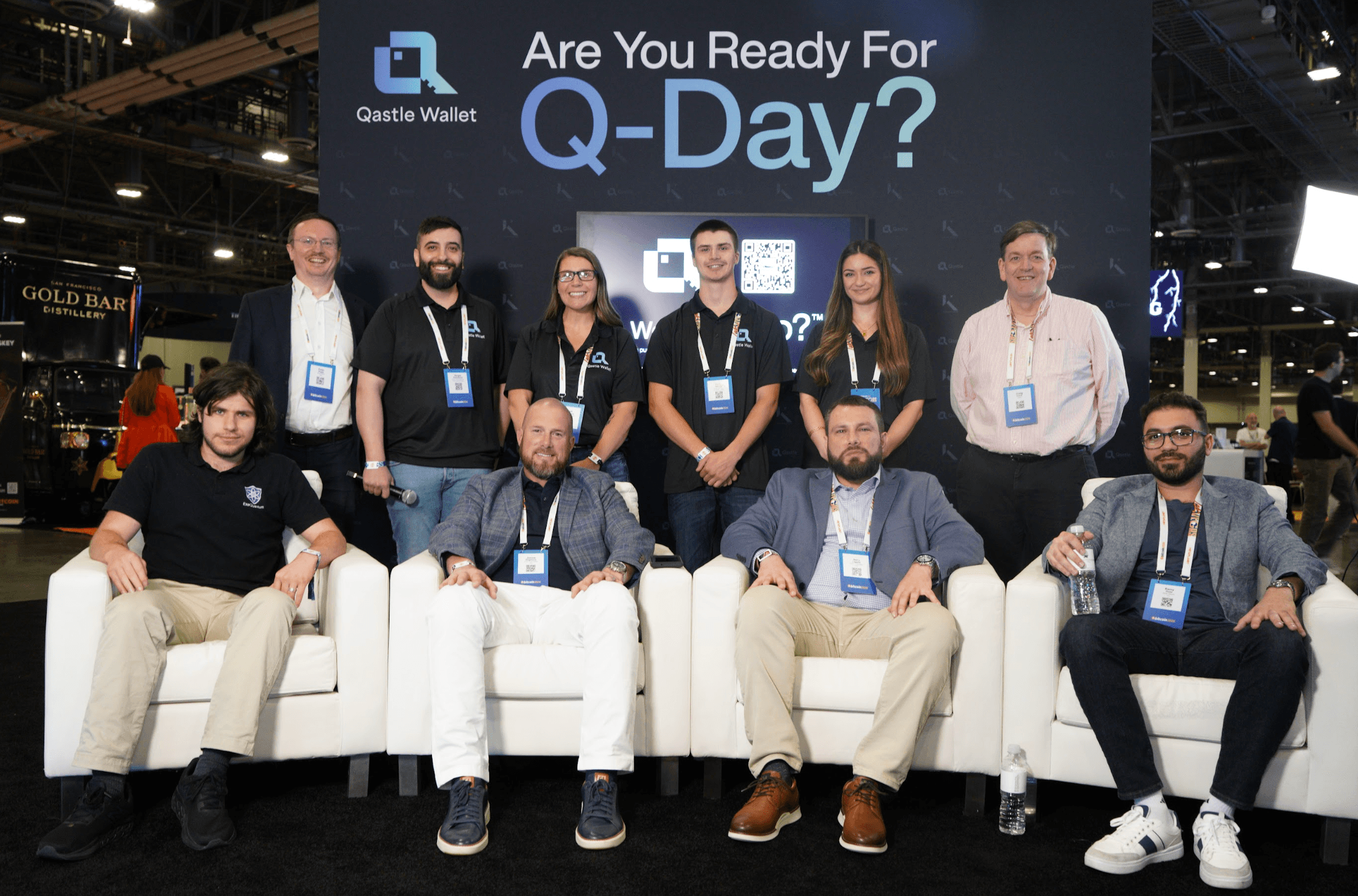
At Bitcoin 2026, the topic was raised on stage, debated publicly, and connected directly to wallet security, self-custody, key generation, and the future of digital asset protection. That is exactly where Krown believes the conversation needs to go.
Quantum risk should not be used as a slogan. It should not be used as a scare tactic. It should not be hidden behind vague claims or simplified into marketing language.
It should be discussed properly.
That means asking better questions about how wallets generate keys, how entropy enters the architecture, how post-quantum cryptography is being considered, how systems can remain adaptable, and how the industry prepares for cryptographic change before pressure arrives.

Entropy, PQC, and the wallet layer
In the op-ed, James also explains why wallet-level security matters now.
Krown is not claiming that Qastle Wallet alone solves the entire post-quantum transition for Bitcoin. No wallet can honestly make that claim. Bitcoin’s long-term cryptographic future will require serious technical work, standards alignment, testing, community debate, and careful migration planning.
But the wallet layer still matters.
Keys are created, stored, and used at the wallet layer. That makes key generation, authentication, entropy, and crypto agility practical security questions today.
Through Krown’s relationship with Quantum eMotion, Qastle has access to QRNG technology based on quantum tunnelling effects, supporting true entropy for cryptographic processes. Combined with post-quantum cryptographic thinking and a commitment to security evolution, this is part of Qastle’s wider approach to digital asset protection.
The point is not to claim that the hard questions are finished.
The point is to welcome them.
Here for the hard questions
James’ article closes with a message that reflects Krown’s wider position: reject weak cryptography, reject black boxes, reject vague claims, and reject fear-based marketing.
But also reject complacency.
The future of digital asset security will not be built by people asking users to trust them without explanation. It will be built by teams willing to explain the architecture, accept scrutiny, improve the implementation, and continue building as the threat landscape changes.
Bitcoin Magazine publishing this op-ed gives that conversation a wider platform.
For Qastle Wallet, that is the right place to be.
Read the full op-ed on Bitcoin Magazine.

Sign up to the Krown Mailing List
Secure your insider access to demos, builds and betas. Join us.